
Which Succulent are poisonous to cats?
If you’re a feline fan with an indoor garden, you’ll likely be asking yourself which succulents are poisonous to cats. As plant lovers it’s great to enjoy an indoor garden, but with a furry friend around you do need to be careful that some of the leaves, flowers or stems aren’t ingested.
What Are the Poisons in Succulents?
Some succulents are poisonous to cats when ingested. The poisons in succulents include saponins, alkaloids, and terpenes. This post talks through some of the most common plant species that cause cats to suffer an upset stomach, oral irritation, abnormal heart rate or and even death if consumed in large quantities.
How Can You Tell If Your Cat Has Been Poisoned By A Succulent?
It is important to remember that succulents are not poisonous to cats if cats don’t eat them. However, if your cat ingests any of the plant material, they may experience symptoms such as:
- vomitting
- mouth irriation
- diarrhea
- stomach pain
- increased thirst
- lack of energy
- seizures
- coma
Which Succulents Are Poisonous to Cats?
Although many people think all succulents are non-toxic to cats, this is not necessarily true. There are some succulents, especially those that are in the Aeonium genus, that are considered to be toxic to cats. In addition, there are a number of succulents that you can grow in your home or garden that will be poisonous to your cats. The most important factor to consider when determining whether any succulent is poisonous to cats is the Aeonium genus. If you have a succulent in your home that is in this genus, then you should definitely not have your cat come in contact with it.
We’ve compiled a quick list of which succulents are poisonous to cats, so you can make sure your home is as safe as possible.
is the Aloe vera plant. The Aloe vera plant is known to contain a toxin called aloin which can be fatal to cats if ingested. Other succulent plants that can be poisonous to cats include the Agave americana and Poinsettia plants. These plants contain saponins which can cause vomiting, diarrhea, and even death in cats if ingested in large quantities.
Plants that are poisonous to feline friends…
Oleander
The most common toxic succulent plant to both cats and dogs is the oleander. It has a sweet smell and taste, which is why it is often used in bouquets. It’s poisonous because it contains a neurotoxin called oleandrin. This toxin can make your cat’s heart rate, breathing and gait really unstable. And it can also result in muscle tremors and seizures.
Jade Plant
Jade plants are considered poisonous to cats. They contain a toxin that causes kidney failure in cats if ingested
There’s not a lot of information available about jade plant poisoning but it appears that the plant contains Thujone. This is a toxic chemical that is found in a few other plants like sage, thyme, wormwood, and tansy.
Burros Tail
Burro’s tail is a North American wild flower. It’s scientific name is Verbesina encelioides. It belongs to the Asteraceae family. The plant grows to a height of 3 to 12 inches and is native to the southern and southwestern United States.
The plant petioles and leaves contain alkaloids and sapogenins. The sapogenins are steroidal saponins.
Humans in contact with the plant may have a skin reaction, or may experience gastrointestinal or central nervous system effects. The most common symptoms of poisoning are dermatitis, gastrointestinal tract upset and central nervous system depression. Sensitivity to this plant varies.
Burros Tail is toxic to cats and has caused death to many cats and dogs. Burros Tail grows as a weed in the desert. Cats are particularly attracted to the smell, and ingesting the plant directly or licking their fur after contact can cause kidney failure. Burros Tail toxicity, is also known as Burros Tail Toxicity.
Fiddle Leaf
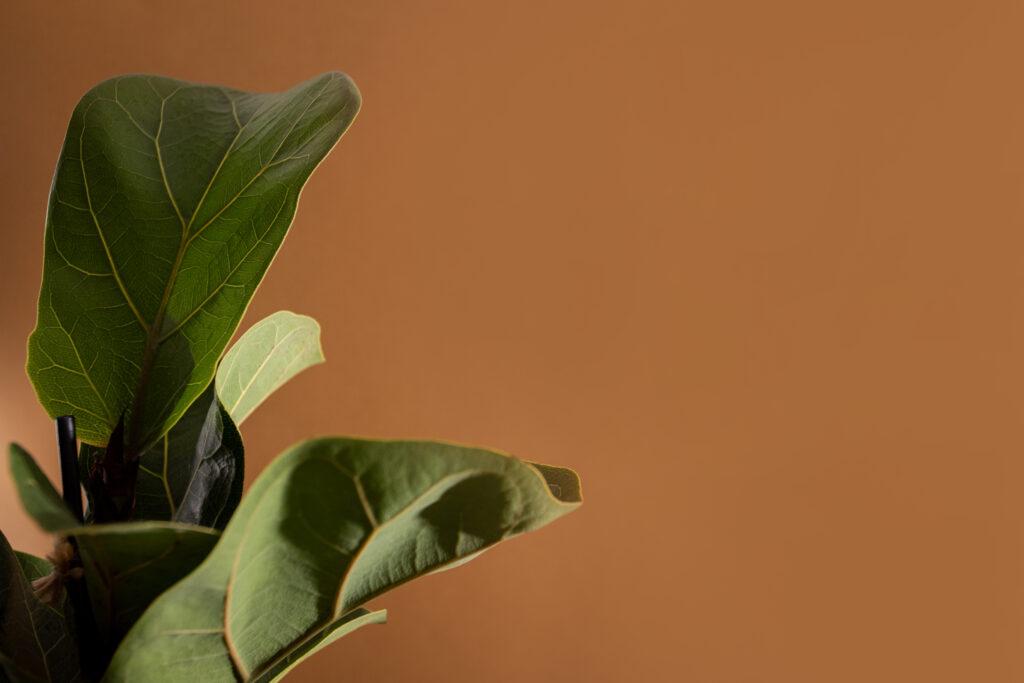
Ficus lyrat is a large, tree-like houseplant with several varieties. While many people enjoy growing this plant indoors, it does release some toxic substances that can be harmful to pets. Chief among these are calcium oxalates. These crystals are the same toxin found in kidney and rhubarb. Because of this, it’s wise to keep the plant away from curious and hungry kitties.
Chinese Money Plant
The Chinese Money Plant is poisonous to cats, as well as dogs and horses. All parts of the plant are toxic, including the roots, leaves, buds and flowers. However, the toxicity depends on the amount of sap in the plant at any given time. The leaves are more toxic than the roots.

Senecio Succulents
The senecio succulents are toxic to cats. The senecio succulents are the common name given to members of the genus Senecio, a genus of flowering plants in the sunflower family. The genus contains more than 600 species of shrubs, subshrubs, and herbaceous perennials. The leaves of many species are poisonous to pets, and contact with the plants can irritate cat’s skin.
Aloe Vera toxic plant
Aloe vera is highly toxic to cats and dogs, and it is not recommended to use aloe vera products on pets. The leaves contain ingredients called anthraquinone glycosides which are diuretic, laxative, and cathartic. The pets are very likely to get diarrhea and vomiting after consuming aloe vera.
Despite aloe vera is beneficial for people, it is very dangerous for pets. The toxic dose of aloe vera is very low, so even a small amount of aloe vera can be toxic to pets. So cat owners and dog owners, be warned. As good as it is for humans, it’s not so friendly for our furry friends.
Zebra Hawthoria
Haworthia is a genus of succulent plants belonging to the family Asphodelaceae, and it was named after the English botanist Adrian Hardy Haworth. They’re commonly known as Zebra plants or Zebra Haworthia, and they’re an ornamental plant native to Cape Province area of South Africa. There are over 100 species of Zebra plants, but most of them are difficult to grow indoors as they are hardy, slow-growing and prefer bright sunlight. Some Zebra Haworthia plants are more toxic than others. According to the ASPCA (American Society for the Prevention of Cruelty to Animals), two Zebra Haworthia species are highly toxic if ingested. If you are keeping a Zebra Haworthia plant at home, make sure all your pets, specially dogs and cats, are safe from the poisonous effects of this plant.
What Should You Do If Your Cat Eats a Poisonous Succulent?
If your cat eats a poisonous succulent, the first thing you should do is call your veterinarian. The succulent may have caused a poisoning in your cat and he may need to be hospitalized. If the succulent was ingested in small amounts, your cat may only experience some vomiting and diarrhea; if the succulent was ingested in larger amounts, he may experience liver failure or even death.
Conclusion:
There are several different types of succulents that can be poisonous to cats. If you have a cat, it is important to know which succulents are safe for them and which ones require supervision.