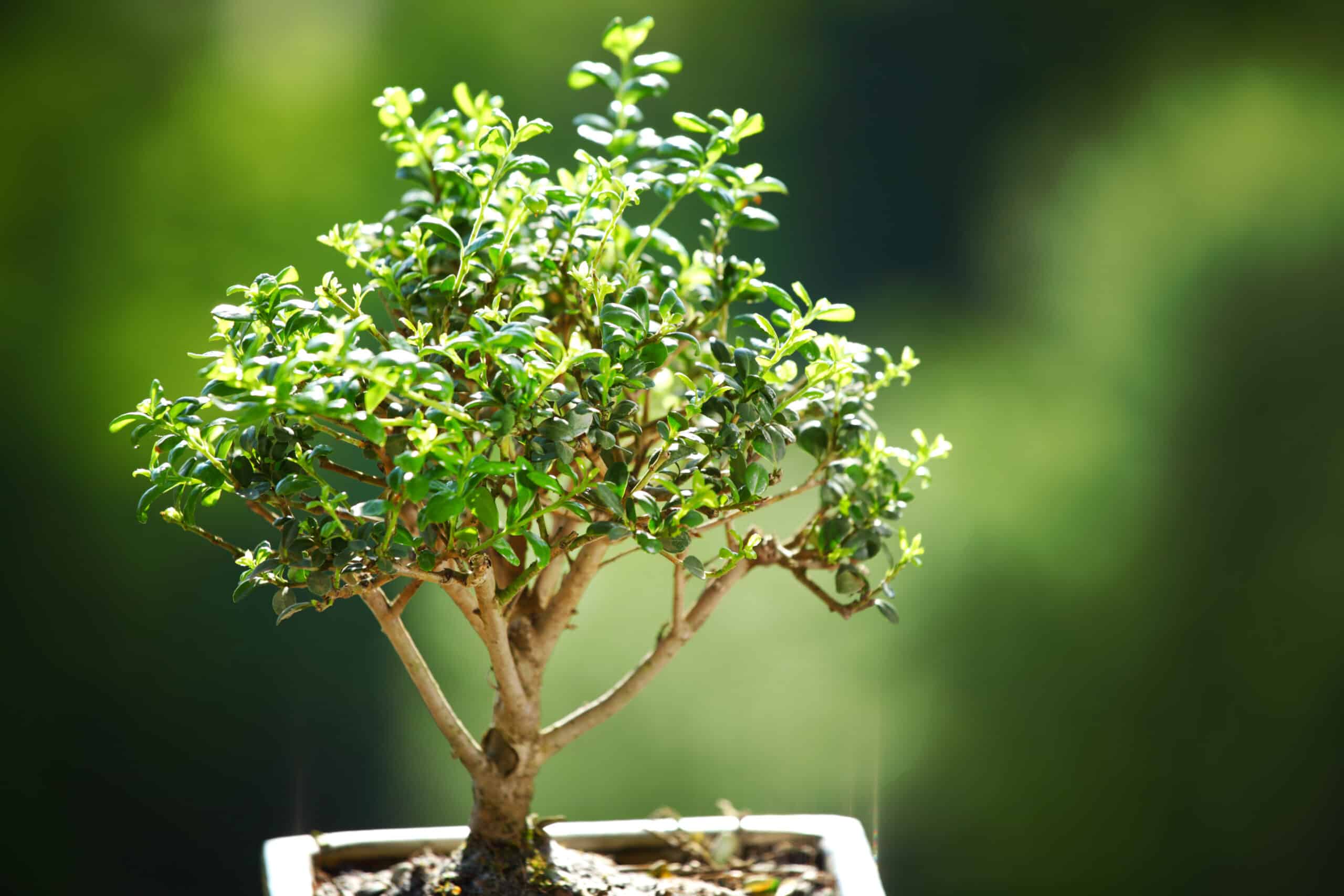

The weeping willow tree is a popular choice for easy to grow greenery, but what is the weeping willow meaning and how can you help one flourish? Luckily, they don’t require much maintenance and they stay healthy even if neglected. They also produce beautiful flowers during the spring months. So in this quick read, we’ll guide you through weeping willows, and how to take care of yours.
What are weeping willow trees?
A weeping willow is a type of willow that has long, thin branches. They are flexible and can be shaped to form beautiful shapes.
The branches of the weeping willow tree droop downwards at an angle of about 60°. They are often planted along rivers or lakes to provide shade for people who want to enjoy the water. The weeping willow tree’s leaves are slender and soft, which provide relief from sunburns and insect bites.

Why is it called a Weeping Willow tree?
Weeping willows were given their name because they seem to weep as they droop down with long branches. The weeping willow tree meaning comes from branches that hang down and take on a weeping shape as the leaves flutter in the breeze.
Weeping Willow Sybolism
The weeping willow tree has long been associated with sorrow and grief, largely due to its drooping branches. But the symbolism of weeping willow trees goes far beyond sadness; they are also a symbol of strength, resilience, and hope. The branches of the tree provide shade and protection and are seen as a metaphor for the strength of emotional bonds. This symbolism of the weeping willow can be found in many different cultures, including ancient Chinese and Babylonian cultures.
The weeping willow tree is also closely associated with rebirth and new beginnings. Its position near water, like rivers, lakes or ponds, establishes a connection to the idea of a cleansing or renewal of the soul. The offshoots and roots of the branches are often seen as an indication of life’s ever-changing influences and the tree’s ability to survive whatever life throws at it.
In more recent times, the weeping willow tree has been seen as a symbol of forgiveness and compassion. The refusal of its branches to break despite the weight of their own sadness is seen as a sign that no matter what happens in life, it is possible to keep going and find healing. Therefore, this tree is often used as a reminder that there is always hope even in the midst of sorrow, and that people can find a way to move past pain with kindness and understanding.
Chinese Culture
In Chinese culture, the weeping willow tree is a symbol of resilience and strength. Ancient Chinese poets associated the tree with letting go, finding peace and accepting the inevitable. In Hebrew tradition, the weeping willow is associated with divinity and eternal life. It is believed to be a reminder of God’s protection and guidance.
What are the benefits of weeping willow trees?
Weeping willows are best known for being associated with funerals, but they have many other benefits. For one thing, they provide excellent shade in the summer. They also help clean the air around them by absorbing carbon dioxide, nitrogen oxide and ozone. Their leaves also produce natural oils that are used in aromatherapy to help lower blood pressure and reduce stress.
Do Weeping Willow trees have roots?
Weeping willows are a type of tree with a drooping and weeping form. They are most often found in wetland areas, such as swamps and marshes. It is possible for these types of trees to grow without roots because they can easily absorb water from the ground into their trunk, branches and leaves.
How to get rid of Weeping Willow tree roots
If you are looking to get rid of weeping willow tree roots, you’re in luck. There are a few things you can do to help remove the roots without killing the tree in the process. The first option is to physically dig up the roots. This can be a tedious task and can be quite difficult depending on the size of the tree and root system. If possible, try to dig up the entire root system to ensure you get rid of all the unwanted roots. Once you’ve dug up all the roots, you can either discard them or use them for something else.
If digging up the roots seems too daunting, you may want to try to use chemical herbicides to kill the roots. Before using any type of chemical, make sure to read the instructions and safety precautions carefully. You should also be aware that herbicides can damage nearby plants, so avoid applying them near any other plants if possible. Additionally, it may take some time before you begin to see results after applying herbicides.
Whichever method you choose, it’s important to be aware of the potential risks and take the necessary precautions before attempting to get rid of the roots. With a bit of patience and care, you can successfully remove the roots of a weeping willow tree.
What’s the best time of the year to plant?
When winter is coming, it is best to plant a weeping willow. But, make sure you do it at the end of the autumn season.
The weeping willow has many benefits. It provides shade, wind protection and requires less maintenance than other trees or bushes.

How long do Weeping Willows tend to live?
Weeping willows can live from 20-75 years, depending on the species.
The lifespan of weeping willows varies greatly depending on the species, with some living up to 75 years and others as little as 20.
Weeping Willow Tree with Lights for Winter
When it comes to Christmas and winter time, when the nights are dark and you need some sparkle, then add some lights to your Willow Tree.