
We’re continuing our Alphabet Series now with plants that begin with B. We think these kind of gifts are super thoughtful and unique for your friends and family, so take a look through our list below and see what plant could be an ideal present.
B is for…
Bamboo
Hey, did you know that Bamboo is a grass? It’s true! Bamboo is also a monocot. That means it has one seed leaf, not two!
Bamboo Palm is one of the best indoor plants that being with B. It’s easy to care for and will brighten up any room in your house. In fact, it can even grow in artificial light!
Bamboo is also a flowering plant. This means that it makes pollen and can reproduce.

That’s right—bamboo flowers, but only once in its lifetime. It must flower to multiply, so members of the same species flower at the same time. Flowering bamboo plants tend to die after they bloom because they use up all their energy producing seeds.
Weirdly enough, bamboo can be both an herbaceous plant and a woody plant at the same time! Herbaceous plants have soft stems; woody plants have hard stems. A bamboo stem starts off as soft but eventually matures into hardwood.
Banana plant
The Banana Plant is also known as the Dwarf Banana Tree or Dwarf Musa Dwarf Cavendish. The plant can grow up to six feet tall and produces yellow flowers that are followed by fruit that resembles bananas. The plant requires moderate sunlight and humid conditions.
Beryl Palm
The Beryl palm is a great option for those who want to add height to their space without taking up too much floor space. These plants are not only beautiful, but they’re also pretty easy to maintain!
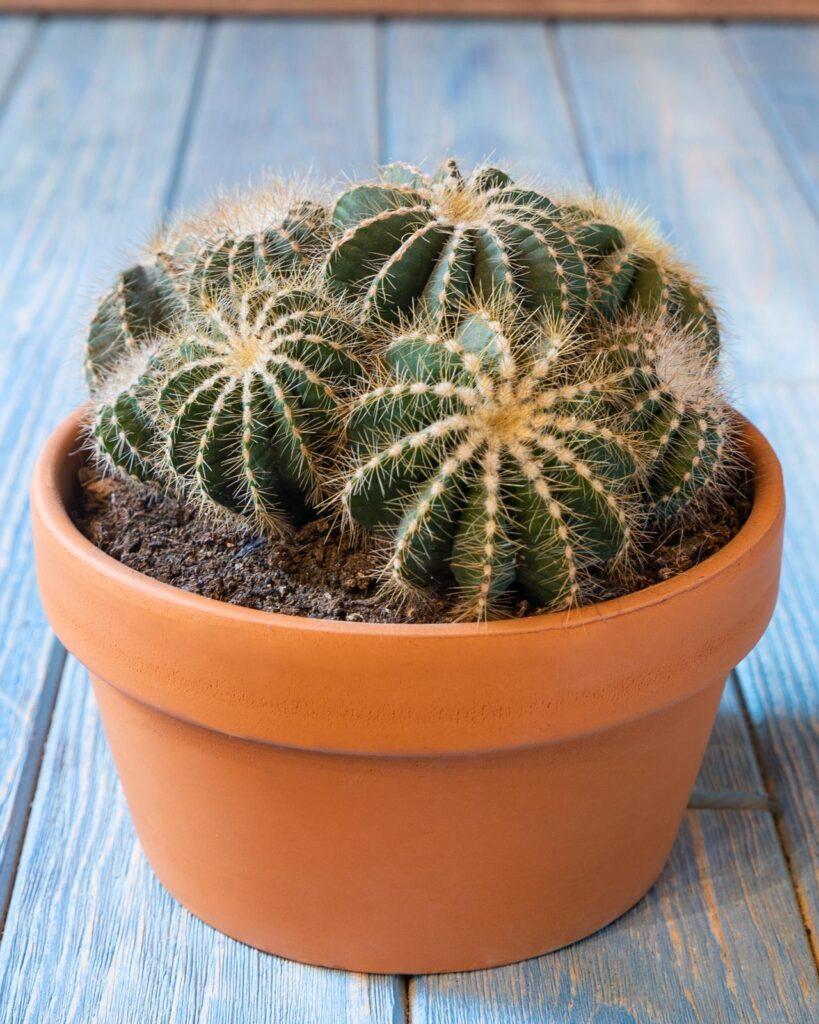
Barrel Cactus
As the common name for the Ferocactus genus of cacti, Barrel Cactus is native to the southwestern United States and northwest Mexico. It grows in hot, dry climates and are commonly used in landscaping. Some varieties are edible, including Ferocactus cylindraceus, which can be found in the Sonoran Desert and surrounding areas. The fruit of this type of cactus can be made into a sour tea and is sometimes used as an ingredient in salsa.
Barrenwort
B is for Barrenwort, a genus of flowering plants in the family Berberidaceae (pronounced bar-ba-ri-DAY-see-eye), also known as Bishop’s Hat.
Barrenwort is native to Japan and Korea, but you’ll also find it in Europe where it was introduced from Asia. The leaves are heart shaped and the flowers are white to yellow or green, bell shaped. It can be used as a ground cover in shady areas.
It goes by many common names such as Bishop’s Cap, Bishop’s Hat, Fairy Wings and Wolfsfoot.
Basil
Basil is a very common and popular herb. Basil’s leaves are used for many recipes, including pesto. Basil is a perennial plant. That means that it lives more than two years. The first year, basil grows quickly and produces small white flowers. The second year, it produces bigger white or purple flowers. After that, the plant doesn’t grow as much anymore.
Basil is part of the mint family of plants. There are more than 160 kinds of basil. Basil originated in Asia and Africa but now grows all over the world. It needs warm weather to grow well and does best in sunny places where there isn’t too much rain or wind, like on top of your fridge or on a windowsill in your kitchen!
Begonia
Begonias are one of the most popular houseplants—they look beautiful and come in such a wide variety of colors, shapes, and leaf types! These plants do best in bright indirect sunlight or filtered light; avoid direct sun as this can scorch their leaves or cause them to wilt.
Bird of Paradise Flower
Bird of paradise flowers are gorgeous and make excellent houseplants for anyone looking for something unique! These plants like bright indirect sunlight or filtered light; avoid direct sun as this can scorch their leaves or cause them to wilt. They also have shallow roots and can’t tolerate standing in water for long periods of time (so no overwatering!)

Bay Tree
FOr more plants that begin with B, look at the bay tree. It’s a flowering shrub and popular hedge plant in the family Lauraceae. It has a wide range of uses including cooking, medicine and cosmetics. The scientific name for this plant is Laurus nobilis.
A hardy perennial evergreen, the bay tree is native to the Mediterranean. In its natural habitat it can grow up to 5 meters tall or more, though typically it’s much smaller in gardens and as a hedge plant. The leaves are long and oval shaped with smooth edges, similar to laurel leaves that you might find on an olive branch. They have a glossy dark green color and are quite aromatic, making them an excellent addition to savory dishes like stews and roasts which they accompany well due to their natural flavors of cinnamon, lemon, mint and nutmeg.
Bay trees can be grown very successfully as a hedge thanks to their dense growth pattern. This makes them easy to trim into topiary-like shapes if desired but look just as good left alone as they will naturally grow into a tidy dome shape when left unclipped!
Boston Fern
Boston ferns are known for their wide fronds that make them perfect for hanging baskets or as accents in low-light areas like bathrooms or kitchens where they can get indirect light from windows nearby instead of direct sunlight through windows at eye level like other plants tend to require.

Bromeliads
These plants are known for their colorful, waxy leaves and the way they grow on top of each other to create a beautiful display in your home.

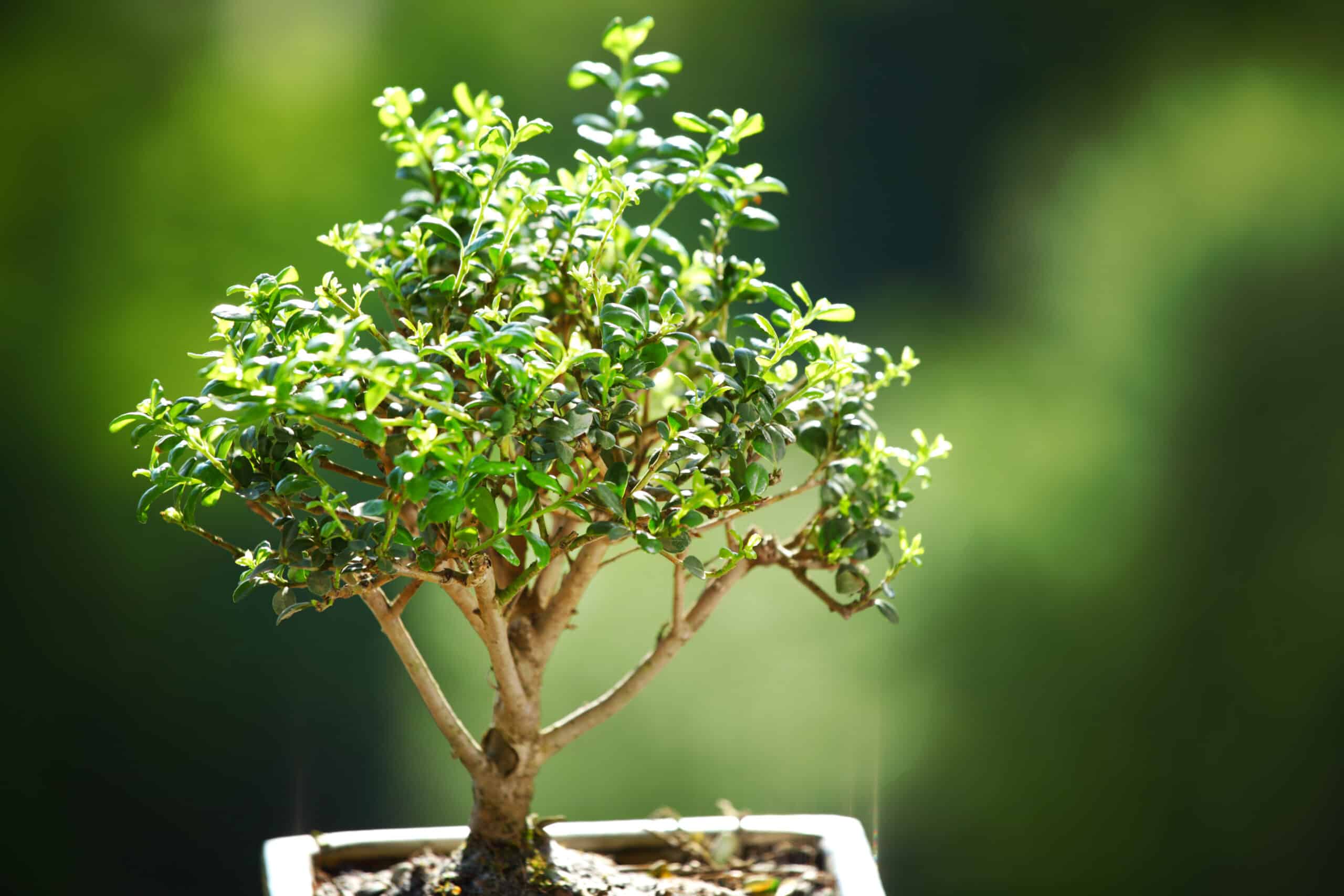
Bonsai
A bonsai tree is a small tree that has been trained to grow in a container so that it looks like a full-sized tree. Bonsai trees require pruning, so you will need to keep them trimmed to maintain their shape and size. You should also repot your bonsai every two or three years so it can continue growing properly.
We’ve written lots about Japanese plants and bonsai trees in particular, so take a look.
And don’t forget, this is just part of a whole Alphabet Series on plants, so find your perfect letter here 🙂