
Basil is such a delicious and versatile herb to grow, but lots of us don’t know how to harvest basil without killing the plant. Sometimes harvesting basil is done to simply keep the plant from flowering or going to seed. But as it’s loaded with culinary and medicinal value, a lot of us harvest basil for our own consumption. Just think of all the yummy homemade pesto you could have!
The good news is that harvesting basil is a lot easier than you might think. This article will provide you with helpful tips on how to harvest your basil at any time of the year.
What’s the best way to harvest a basil plant?
Basil is a member of the mint family and grows best in warm climates. It can be grown in a pot or in the ground, but should be cut back regularly to keep it healthy. The best time to harvest basil is when the plant is 10-14 inches tall, the leaves are deep green and there are no blooms. Make sure the plant is already well-rooted and has healthy leaves.
Pruning basil to help it grow
Harvesting basil without killing the plant doesn’t have to be difficult! All it takes is a bit of knowledge and a little practice. One of the most important things to remember is that pruning increases overall growth. To do this, the first step is to remove the flowers at the top of the stem. This encourages the plant to focus its energy on growing the lower leaves rather than using precious resources to set seed.
Once the blooms have been removed, the next step is to identify the strongest stems and snip any weaker ones. When selecting stems to remove, the aim should be to keep the plant looking well-rounded and full, while still allowing plenty of foliage to remain.
Once the pruning is complete, it’s time to harvest the basil. The best time to harvest is just before the leaves become dry and brittle. If the leaves are allowed to dry out too much, they will be of a lower quality. To harvest, simply snip the leaves off the stem using a pair of scissors. Ideally, around one-third of the leaf should be left on the stem. This will encourage the plant to produce more leaves.
When harvesting, it’s important to avoid stripping the stem of too many leaves. Leaving behind some foliage will allow the plant to recover more quickly and will also help it to continue producing new leaves.
Finally, after harvesting, it’s important to remember to water the plant regularly. This will ensure that the soil is kept moist and will give the basil the best chance of continuing to thrive. With a bit of care and attention, it’s easy to successfully harvest basil without killing the plant!
How to harvest basil without killing the plant
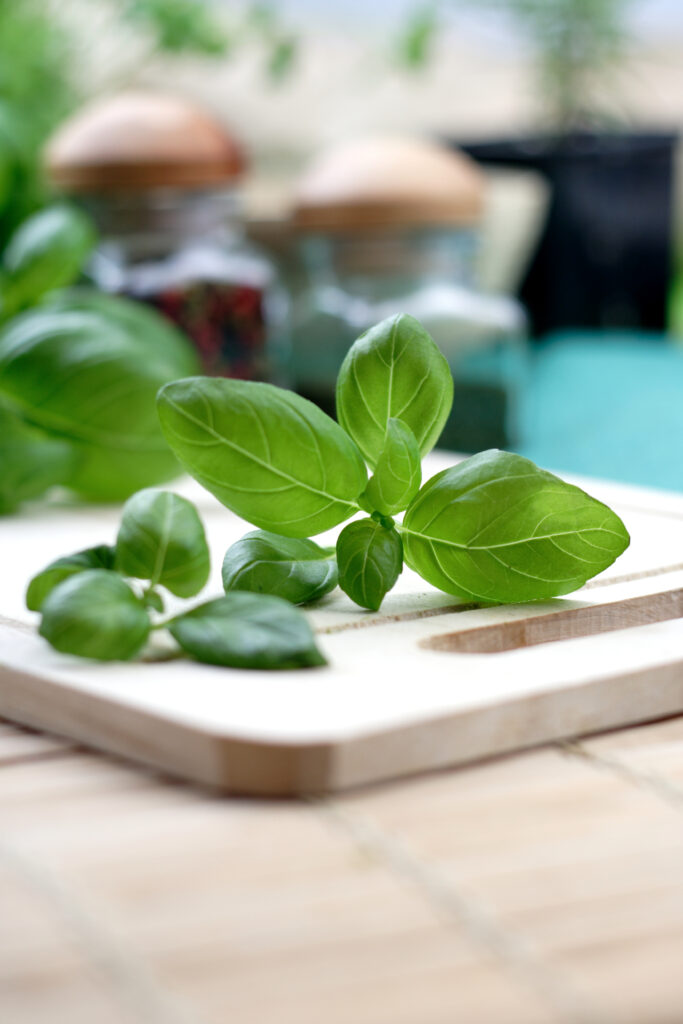
There are two ways to harvest basil. The first way to is by cutting the stems off at the bottom of the plant. This will help you maintain your plant and let you enjoy fresh basil for a longer period of time. To harvest basil, first find the plant’s main stem. Cut it just below a node (where the stem and leaf meet). Then snip off the stem below that, leaving a few inches of stem attached to the leaf. You’re aiming to cut 3-4 inch on the stem using a sharp knife or scissors.
The second way is to simply pinch or cut the flower off from the stem. You can also clip the top leaves from the plant. Remember to avoid harvesting from the center of the plant, because it takes longer to grow new basil from the middle. Pinch the stem from the bottom. Always be gentle if you’re pulling the stems, so you don’t damage the plant as a whole.
What tools should I use to harvest basil?
Harvesting basil without killing the plant is an easy task if the right tools are used. One of the most important tools for harvesting basil without killing the plant is a pair of scissors or shears. When harvesting, it is important to cut the stem of the individual basil leaves that are being harvested and leave enough stem still attached to the plant in order to encourage continued growth.
When using scissors or shears, don’s use any with serrated edges. These tend to tear the stem of the basil leaves which will stop the continued growth of the plant. Also, avoid cutting too close to the stem or cutting the stem of the basil too short. Using scissors or shears for harvesting basil can also help avoid damage to the delicate leaves which can occur when using hands.
Another tool that is good for harvesting basil without killing the plant is a harvesting knife. A harvesting knife is a curved knife designed for harvesting delicate herbs like basil. It’s quite small and easily maneuverable around the stems and leaves of the basil plant. Like with scissors and shears, it is important to make sure to leave enough stem attached to the basil plant in order to encourage continued growth.
Along with the right tools, it is also important to practice caution and patience when harvesting basil. It is important to move slowly and deliberately when harvesting by hand and to go slow when harvesting with scissors and shears. Careful harvesting will ensure that the basil leaves are not damaged in the process, which can be detrimental to the continued growth of the basil plant. Following these tips will help anyone successfully harvest basil without killing the plant.
Wash and dry the basil
Once you’ve got your lovely fresh basil leaves, it’s time to wash, dry and blanch them.
Place the leaves in a container or colander, and gently scrub the basil leaves clean with a soft brush. Then give them a good under cold running water. Drain the basil leaves and place them in a large container whilst you prepare the blanching stage.
Blanch the leaves
When harvesting basil, it is important to blanch the leaves to remove any chlorophyll and prevent the leaves from turning a brown color. Blanching is a process that helps preserve the basil’s flavor, texture, and color. Start by boiling a large pot of water, then add the basil and boil for 1-2 minutes. Remove the basil from the water and immediately plunge it into an ice bath. This shocks the basil and halts the cooking process.
How do I store my harvested basil?
It’s important to make sure that your basil is stored properly to keep it fresh for as long as possible. The best way to store fresh basil is in the fridge in a sealed bag or container. Basil can also be stored on your counter top if you are going to use it within a week. If you are not, then it will need to go in the fridge. And if you have any leftover basil, chop it up and put it in the freezer for use later on.
Freezing fresh basil to use later
Once the basil is done blanching and shocking, you can freeze it. Place the basil in airtight storage bags or containers, and store in the freezer for up to six months. When you’re ready to use the basil, simply thaw it in the refrigerator or at room temperature. You can use the frozen basil in recipes or add it to salads, sauces, and more.
When’s the best time for harvesting basil?
The best time to start harvesting basil is at the end of the season when the plant is in full bloom. The leaves should be thick, bright green, and aromatic. Once the leaves reach this stage, you are ready to gather the basil.
When the leaves become too small or less fragrant, it is likely that the basil is done for the season. You can collect any remaining leaves, but the buds will not be as full or flavorful.
Harvesting basil is a fun and rewarding task. Look for thick, bright green leaves and aromatic buds to be sure you are getting the most flavorful and fragrant basil. With that, you can delight in the herb from your garden for many seasons to come.
How can I keep my basil from wilting?
Basil needs plenty of water to grow properly and avoid wilting, but you have to be careful not to over-water it as well, since too much water can kill the plant. A humid environment will help keep the plant healthy and strong, so planting basil near a window with plenty of sunlight is recommended. It’s also important to prune the basil occasionally so that it doesn’t crowd out other plants in your garden or kitchen.
If you want to grow basil in your kitchen garden you’ll need a large enough indoor pot with good drainage holes for water flow, as well.
What conditions are best for growing basil?
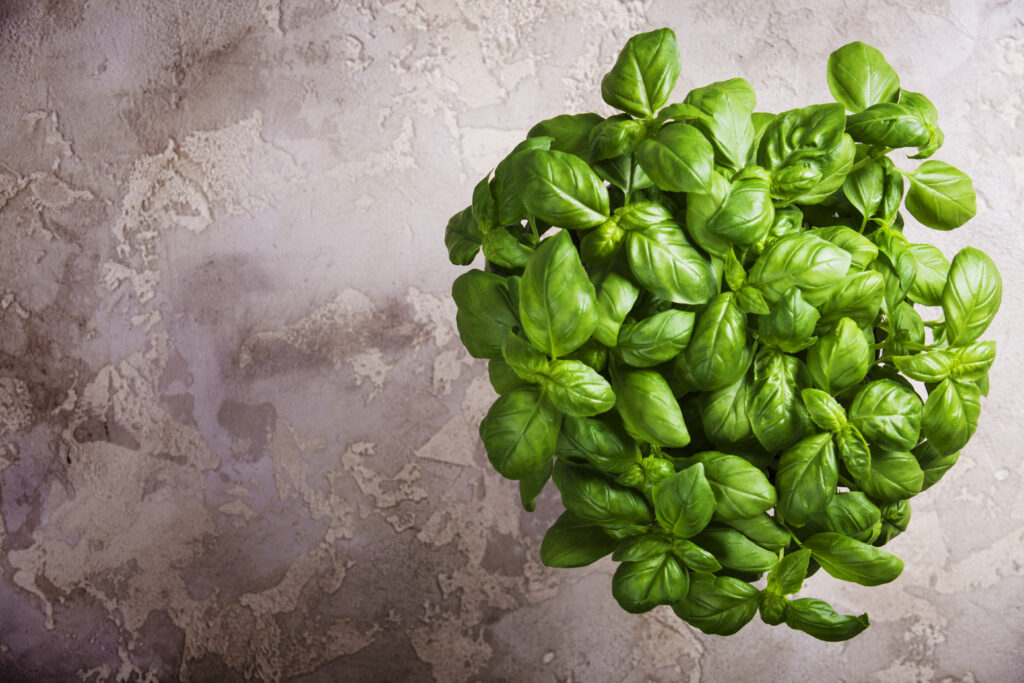
Basil is not very hardy and dies if the temperature drops below 55 degrees. If you want to keep growing basil in your garden, plant it indoors. Basil likes full sun, but too much sun will cause the leaves to turn black so place it where it will be partially shaded. Plant basil seeds in seed starting mix or potting soil about 1/2 – 1 inch deep. Keep the soil moist until the seeds have germinated. Basil can be grown from seed, but it is much easier to purchase transplants. Transplants are available at most garden centers.