
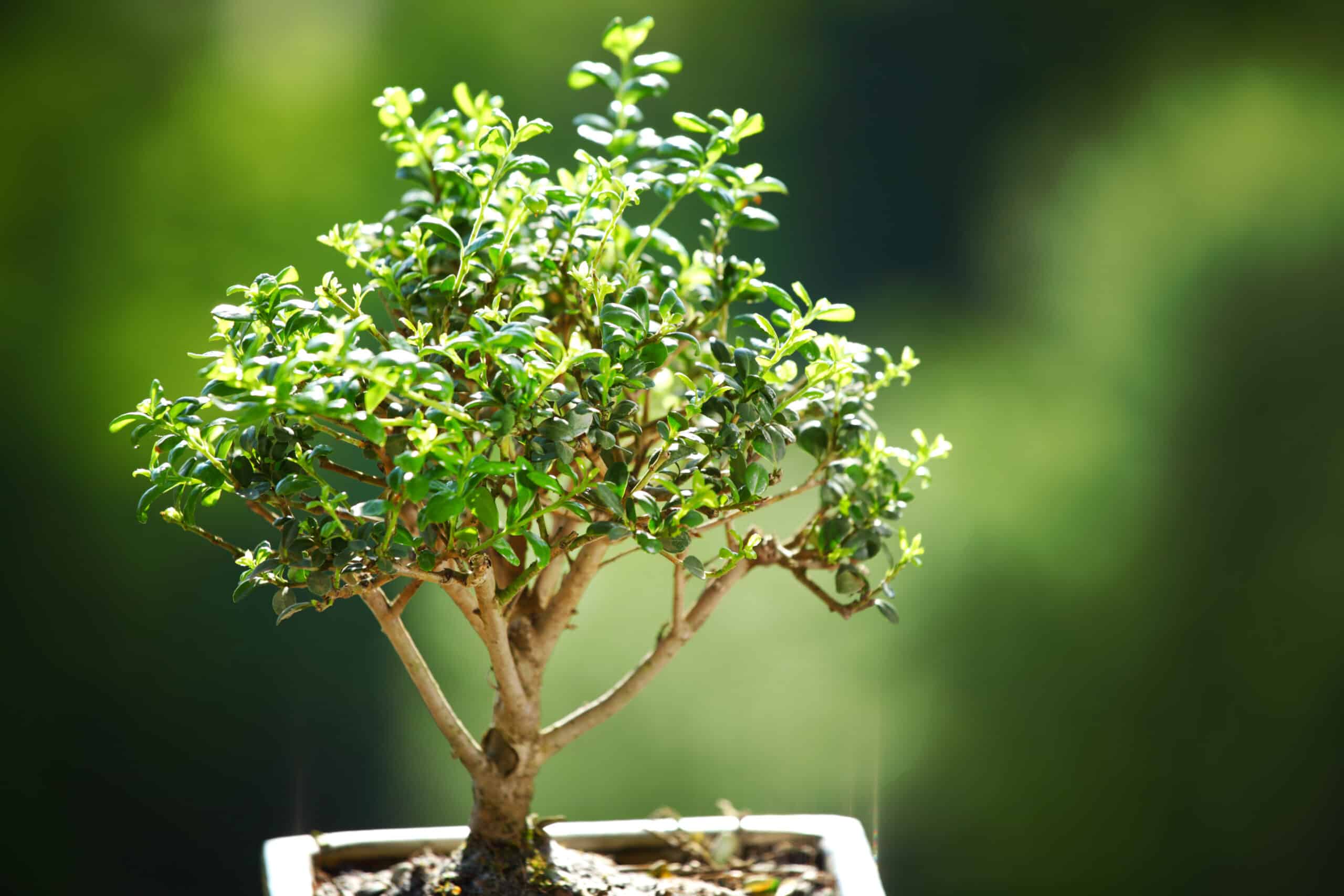
Japanese house plants are a great way to add some style and life to your home. They can be used as decoration and as an air purifier.
The best thing about these plants is that they don’t need much attention. You can keep them in any room of the house, they don’t require much sunlight and they will stay green for a long time.
When you think of Japanese house plants, the first thing to spring to mind might be a Bonsai. And if that’s the case, it’s for good reason. They’re not only popular & well-known across the globe, but they’re beautiful additions to any living space. And they’re considered a traditional art form in Japan, with a long history steeped in both nature and culture. Bringing one into your home will add a beautiful natural decoration and also help purify the air.

Art of Bonsai
The word Bonsai literally means “a plant in a tray or pot”. They range from very small to many feet tall and wide. The art of bonsai has spread to many parts of the world and it is practiced by people with all different levels of skill.
Taking care of your bonsai involves daily watering, weekly pruning & yearly trimming. It also needs occasional feeding, and the constant taming of the tree’s growth. Bonsai trees are plants that are trained to grow in containers.
Where to grow your bonsai
Bonsai trees are plants, so the ideal conditions for the bonsai to grow and thrive depend on the type of plant. There are a number of things that you can do to take care of your bonsai plant.
The first thing that you must do is choose a location for your bonsai plant. Placing it somewhere out of direct sunlight or extreme cold is ideal, but not in a location with too much humidity either.
For bonsai to thrive and become the beautiful tree it is destined to be, place it somewhere that has bright light and enough humidity. It also needs to be watered regularly and properly fertilized. Once per week is adequate for watering most bonsai. Although depending on where in the world you live, you’ll adjust the frequency based on the temperature and humidity levels of the climate
How to care for your Bonsai
If your tree is small, then the best way to take care of it is to water it at least once or twice a week. Give it enough sunlight or artificial light so that the leaves do not turn brown. For bigger trees, you need to water them at least once every two weeks. But also make sure they get plenty sunlight or artificial light for their leaves not to turn brown.
Next you should choose what kind of soil and pottery material to use for your bonsai tree. Soil and pottery choice is fundamental in how much moisture is retained. Choose them carefully depending on the type of plant that you’re going for. Your local garden shop should be great at steering you in the right direction.

Rules of Bonsai
Japanese Larch bonsai are hardy plants that do well in shady areas. They’re quite popular because they are resistant to pollution, insects, and diseases. As a result, they can survive in the city conditions better than other plants.
To grow these trees well, make sure to provide them with enough water and fertilizer. You should also try to avoid over-watering them since it can cause root rot.

Other options for your home
There are many different types of Japanese house plants that you can choose, not just bonsai. If you’re wanting something with a unique shape then go with an Azalea or a Fern. If you want something more traditional, then go with an ivy plant or a spider plant. The peace lily plant is another popular choice to add style to your living space.


