The Virginia Creeper is a beautiful, evergreen vine that can add a lot of color to your home. It’s not a particularly hard plant to grow indoors, but you’ll want to know how often it needs to be watered ansd where it can grow.
Once you’re ready for your Virginia Creeper, you’ll want to start with a healthy cutting or seedling. You can begin by placing the cutting in a pot with some gravel at the bottom. You’ll also need some compost and soil in which it can grow. After this, simply water the plant regularly (once every few days) until it has grown enough so that you can see its roots through the soil. At this point, transplant your vine into its own pot or container and continue watering regularly (once every few days).
Now that you’ve got your Virginia Creeper planted in its new home, how often do you need to water it? Well, this will depend on whether or not there are any other plants around that may be competing for water. If there aren’t any other plants around then watering once every five days should suffice just fine!
It will grow best in temperatures between 65 and 75 degrees Fahrenheit.
Is the Virginia Creeper a climbing vine?
Virginia Creeper (Parthenocissus quinquefolia) is a fast-growing deciduous vine that can be trained as a climber or across ground cover. It is native to the eastern United States, and is sometimes called American ivy.
What is the Virginia Creeper also known as?
This multi-coloured vine is also known as Japanese Creeper and Ampelopsis, Ampelis Virginiana, Parthenocissus quinquefolia, A. ctenophylla and A. heptapeta.
Does the Virginia Creeper damage masonry or brickwork?
Unlike ivy, it doesn’t damage masonry or brickwork, so it’s safe for use on the outside of houses. It has a much more subtle color and texture than ivy, too.
It’s also deciduous, so if you’re looking for something to cover up those ugly trellis supports in your yard during wintertime (or even just an attractive plant that looks good year-round), Virginia Creeper is a good choice!
What colour flowers does it produce year-round?
The Virginia creeper is a climbing plant that produces small greenish flowers in June, followed by blue-black berries in late summer and autumn. The leaves are very similar to those of common ivy. It is native to North America, but has also become naturalized in other parts of the world including Europe, Asia and North Africa.
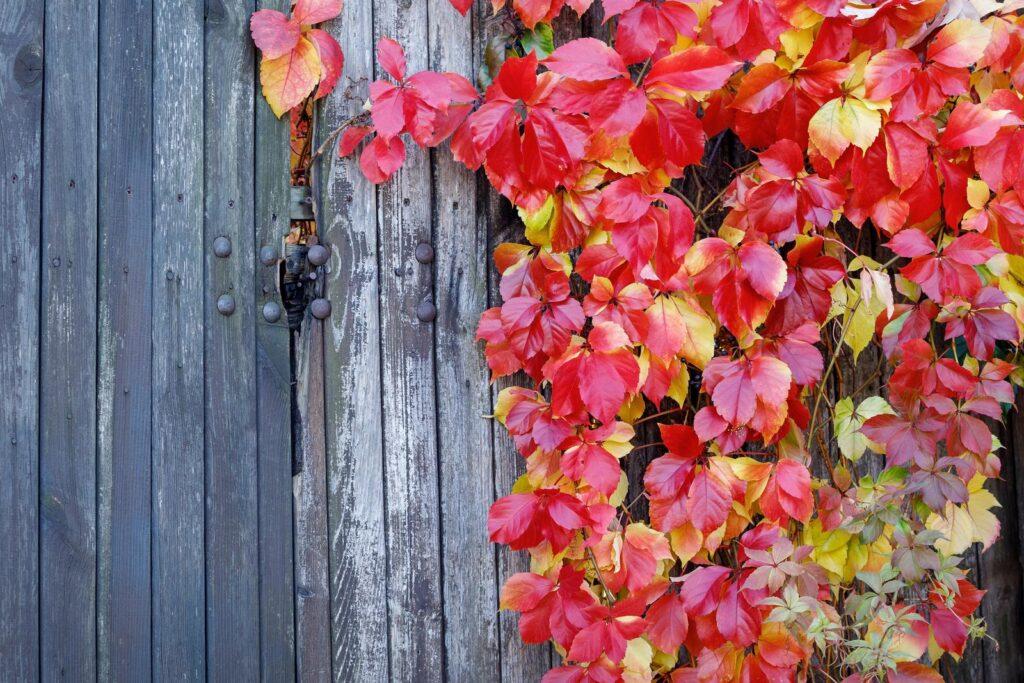
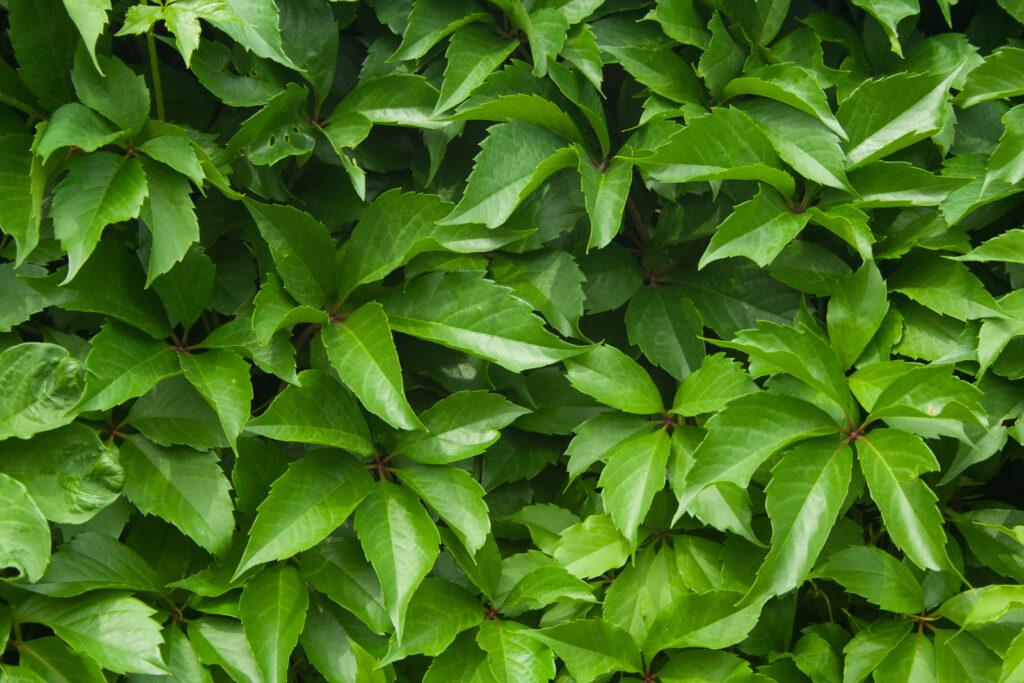
It’s particularly attractive when its leaves turn red in autumn. Virginia Creeper will climb up vertical surfaces by twining, or grow horizontally along the ground like ivy.
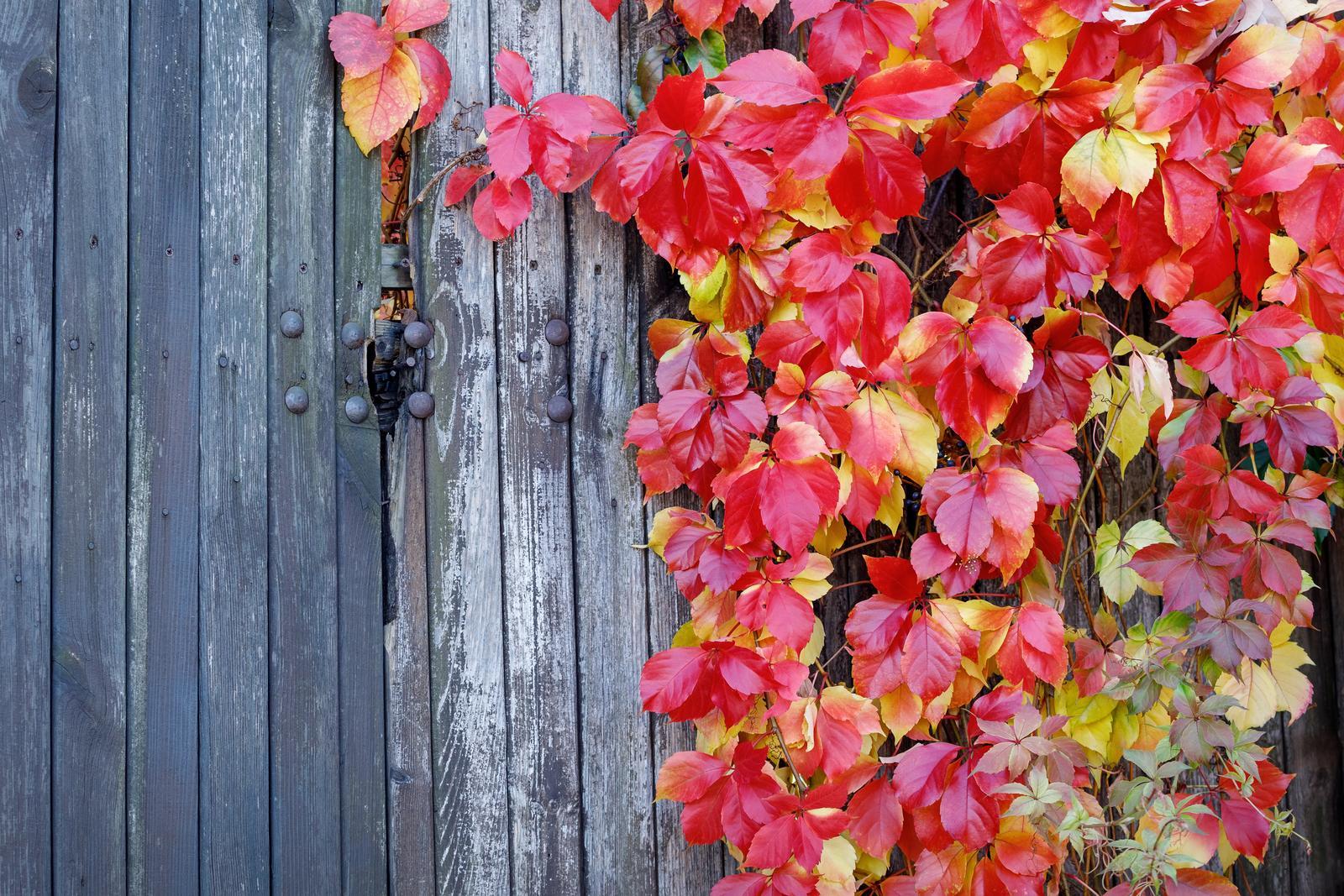
The leaves of the Virginia Creeper are deciduous and are made up of five little leaflets.
It thrives in most soil types, but dislikes chalky soil.
Virginia creeper is a vigorous, fast-growing vine that prefers neutral to acidic soil, with good drainage. It can grow in clay or sandy soils, but dislikes chalky soil. The leaves are glossy green and deeply lobed, with yellow fall color.
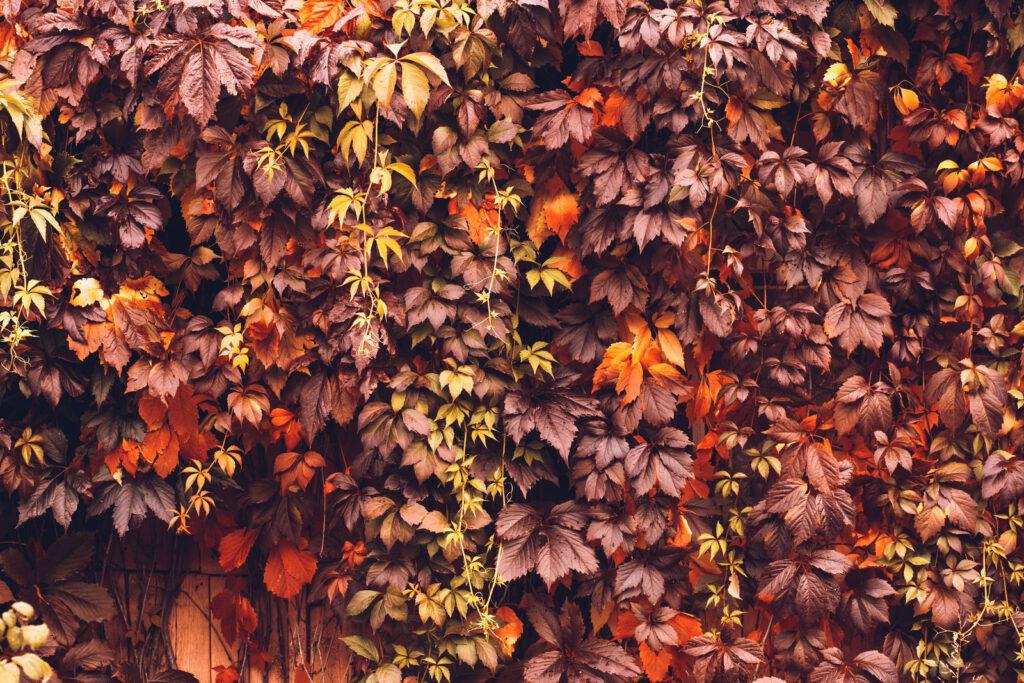
The vine tolerates shade better than other vines and flowers profusely even when grown in the shade of deciduous trees. The fruit is white at first, turning pinkish or red as it matures. The plant produces runners which will root if they come into contact with moist ground; these can quickly spread over several acres if not trimmed regularly.
Conclusion
So if you want to grow your own Virginia Creeper, or add some beautiful wildflowers to your home & garden, you’ve now got some good starting points to properly take care of this stunning vine.