Succulents are highly valued for their unique look and adaptability, but taking care of succulents indoors can be a minefield. In this article we’ll walk you through the dos and don’ts for everyday care, to ensure you’ve got a healthy collection of succulents that will thrive in your home.
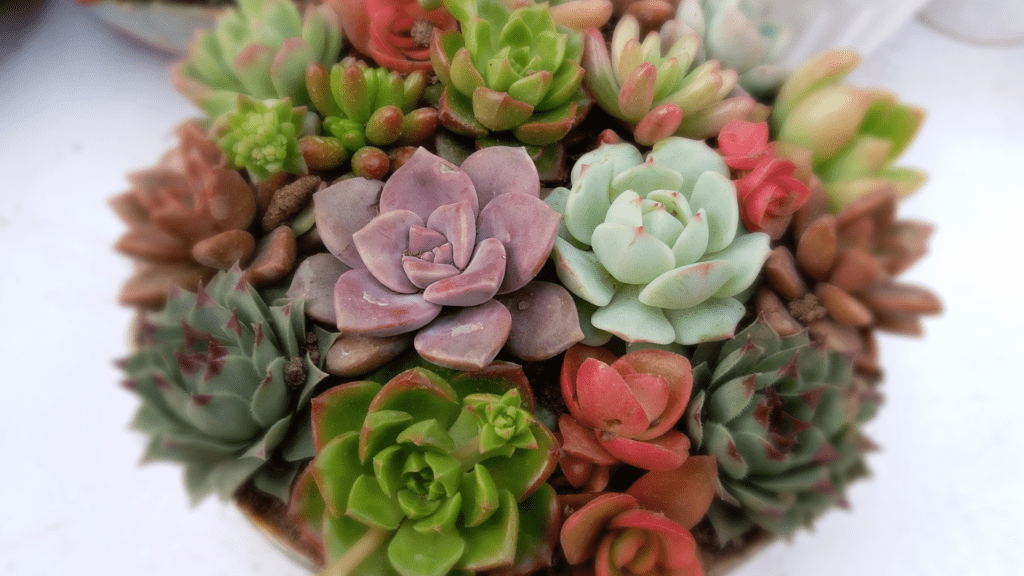
Succulents are typically characterized by fleshy stems and leaves. The plants store water in their leaves, stems and roots for use when it’s needed most. The succulent will store these reserves and then use them as needed. Not all indoor succulents are the same. Succulents can be categorized into different groups based on their characteristics.
Choose the Right Succulent
Choosing the right succulent for your home can be a daunting task. There are so many different shapes, sizes and colors to choose from. It can be difficult to know which type of plant is right for you. Here are seven tips to help you choose the perfect succulent for your home.
1. Start by considering your lifestyle. Do you want a succulent that needs little care or one that needs lots of attention?
2. Consider the size of the succulent. Some are small and easy to place on a shelf or table, while others are large and require plenty of space to grow properly.
How often to water succulents?
Watering your succulent plant is important in order to keep them healthy and thriving. Follow these 7 steps to watering your succulent plant:
1. Check the soil consistency- If the soil feels dry, add a small amount of water until it feels moist. Succulents like a slightly moist soil, but not wet.
2. Mist the succulent plants- Use a spray bottle filled with room temperature water to mist your succulent plants on a regular basis. This will help keep them hydrated and happy!
3. Avoid over-watering- Overwatering can cause root rot and other problems with your succulent plant, so be sure not to water them too much or for too long at one time.
4. Allow for drainage. Don’t place your succulents into glass containers if you can help it. A succulent needs adequate drainage, and glass containers don’t typically allow for good circulation or evaporation of excess water. They can over heat too.
One type of succulent that needs less water is the aloe vera plant. Aloe vera is a succulent that can survive in dry climates because it contains a substance called aloin. Aloin helps the plant to store water and helps it to resist drought conditions.
Fertilizing Your Succulent Plant
Fertilizing your succulent plant is important to keep them healthy and growing. There are many different types of potting mix and fertilizers that can be used on succulents, so it is important to find one that is specifically designed for them. Succulent plants do not need as much fertilizer as other plants, so a small amount once a month should be enough. Some good fertilizers to use on succulents include:
-Fish emulsion fertilizer: This type of fertilizer contains fish oil which is beneficial to the plant’s growth.
-Organic matter: Adding organic matter such as compost or leaf mold will help with the absorption of nutrients by the succulent plant.
-A balanced water soluble fertilizer: Succulents need a balanced water soluble fertilizer to help them thrive. A general guideline is to use one-third the amount of fertilizer recommended for annual plants. For example, if you are using a fertilizer with an NPK ratio of 12-6-12, use 3/8ths the amount–3 tablespoons per gallon. Follow the manufacturer’s instructions for application and dosage.
One type of succulent that needs less fertilizer is the agave nectori. Agave nectori needs very little fertilizer because it gets its nutrients from the air. The leaves of an agave nectori are covered in small spines which help to extract moisture from the air. This process helps the plant to get nutrients from the soil without needing any added boost.
What’s the best soil for indoor succulents?
The best soil for indoor succulent plants is cactus soil. It is a special soil with good drainage. Cactus soil is more than just soil that has a lot of peat in it. Cheap potting soil from your local garden center is not a good idea for succulents. A succulent soil mix should have plenty of perlite or vermiculite mixed in, this will help to insure good drainage.
Protecting Your Succulent Plant from Cold and Heat
To protect your succulent plant from cold and heat, it is important to understand the different types of succulents and how they respond to temperature. Some succulents, like aloes, do best in warm temperatures, while others like sedums prefer cooler temperatures. Additionally, some succulents can handle a little bit of cold weather or conversely prefer direct sunlight. To find out if your succulent can handle cold weather, check the temperature outdoors on a day when the forecast calls for a low temperature in the evening or morning hours. If you live in an area that experiences severe cold winters or summers, it is important to protect your succulent by covering it with a pot or planting it in a frost-free area.
Choosing the Right Location for Your Succulent Plant
When choosing the right location for your succulent plant, it is important to consider the specific needs of your succulent. Some succulents prefer partial sun, while others need plenty of direct light. Additionally, some succulents prefer soil that is moist but not soggy, while others need soil that is constantly wet. Finally, some succulents like a lot of airflow around them, while others do not require any airflow at all.
Propagating Succulents
Propagating succulents is a great way to increase your collection or to give new life to plants that are starting to get a little tired. There are several ways to propagate succulents, but the most common method is by dividing the plant into small pieces and then planting them in fresh soil.
Succulents can be propagated by different methods. The first way is by stem cutting which is the most common way. Take a stem cutting from the fleshy part of the stem. Place it in dry sand or bark based soil and leave it in bright shade. It will take some time to form roots. Once it gets roots, take it out and plant it in normal soil.
You can propagate succulents by stem cutting, divide of baby succulent plants, or even by leaf cuttings. Stem cutting is easiest and fastest method. Let your succulent plant grow some new baby succulent plants by just cutting the stem at the base, then leave a baby succulent plant to form new roots, and put it in a dish with soil and water regularly. If you want to propagate succulents from baby succulent plants, the best way is to divide the baby succulent plants, let each baby succulent plant grow roots, and then put it in a dish with soil and water regularly.
Light and Temperature Regulation for Succulents
To ensure growing succulents are maintained at the right light and temperature, keep succulents in a well-lit area with indirect sunlight or filtered sunlight. Too much direct sunlight can cause succulents to become sunburned or scorched, while too little light can make them die back or become spindly.
It’s also best to grow succulents that have a caudex, or thickened root system, in lower lit areas. Succulents that have a caudex store more water, so it will be able to last longer in lower lit areas. Low lit areas are preferred, but if you must, your succulents will be able to thrive in brighter areas, they will just need more water to survive.
It is important to use a light meter and regulate the light accordingly.
Air Circulation in Your Home
To keep succulents healthy and thriving, it is important to provide them with adequate air flow. This can be done by opening windows or doors during the day, and using a fan at night.
Mulching Succulents
Mulching succulents is an important step in caring for them. This helps to keep the base soil moist and cool, and helps to prevent weed growth. To mulch succulents, spread a layer of organic matter such as leaves, straw, or compost over the surface of the potting soil mixture.
Repotting and Moving Succulents
When you buy a succulent, it is important to make sure the new pot has fresh, organic soil inside. This will help your succulent thrive and look its best.
But repotting and moving succulents is an important step in their care. Succulents need to be moved only a few times during their lifetime, but it’s important to do it correctly so that they don’t lose their shape or become root-bound. Follow these seven steps for repotting and moving succulents:
1. Decide on the size of the new pot. Succulents like porous soil, so use a pot that’s about one-third the size of the plant’s current pot.
2. Remove any old soil and roots from the plant using a garden fork or pruning shears.
3. Fill the new pot with fresh, organic soil. Succulents love a good cacti succueltn potting mix that is full of nutrients and minerals. Make sure to add some compost or other organic material to the mix as well.
4. Water the succulent regularly and keep it evenly moistened with enough water so that the top of the soil is always wet but not soaking wet. Do not over water your succulent as this can cause root rot or even death in some cases.
Succulent care in dormant phase
When a succulent is dormant, it means it’s not actively growing. This phase can last anywhere from a few weeks to several months, depending on the succulent. During this time, you should give your succulent the same amount of water and light it normally receives. You also shouldn’t fertilize or repot during this phase. Normally, you won’t see any flowers when a succulent is dormant, so if you’ve got a flowering succulent it’ll just be fleshy green leaves.
Good succulents for beginners
Some of the best succulents for beginners are the ones that will survive your carelessness. You won’t be an expert at first, so don’t pick plants that need a lot of tender loving care. Pick plants that are forgiving when you forget to water them. A good choice is the Echeveria, also known as the “Good Luck Plant.” It’s sturdy, grows quickly and can take some neglect.
Another succulent for a beginner is definitely the Elephant Foot. It is a rosette succulent, meaning it has fleshy leaves that somewhat resemble an elephant’s foot. It is a very drought tolerant plant and can survive extended periods of heat and cold. In fact, they thrive in drier soil, which makes them perfect for those who forget to water their plants. Another succulent is the Jade Plant or Crassula ovata. The reason why it’s great for beginners is because it is low maintenance and is not picky about soil or sunlight.
Are succulent plants hard to keep alive?
Not really. Succulents are hearty plants that are relatively easy to grow with minimal attention. However, there are information and practices that you can apply to be sure that you have the best chance to keep them alive and happy. It’s best to grow succulents in indirect light. Don’t place them anywhere they’ll get hours of sunlight, as bright light is too intense for them. If they are by a window, make sure it’s filtered light coming through, via drapes or blinds for example.
Taking care of succulents indoors is easy once you know how. Just follow these steps we’ve mentioned, and you’ll have a healthy and happy indoor succulent plants in no time!
Want more? Then check out our post where we answer all your most asked questions about succulents.