
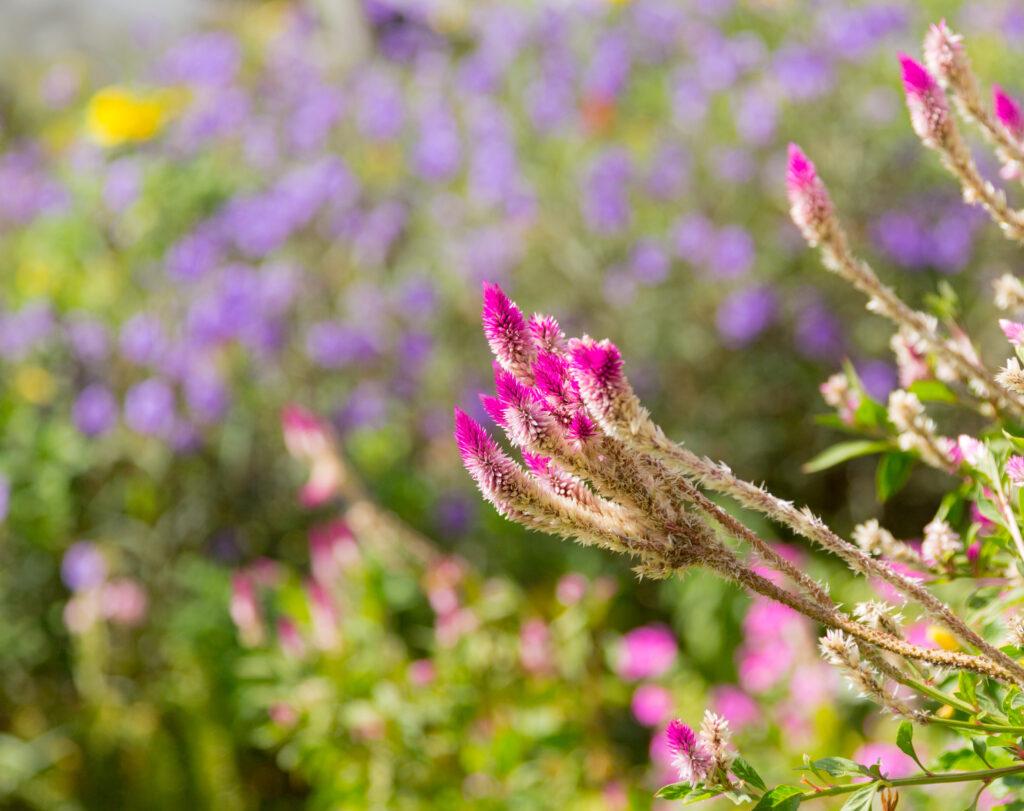
The purple poker plant or Red hot poker plants in general, are popular house plants. They’re easy to maintain, tall and bushy, and can grow to be quite large. But should you water them or let them dry out? Do you need to fertilize them? In this article we will look at all varieties of red hot poker plant care. They’re relatively easy to care for and even though they are called “poker plants”, they make excellent house plants.
If you want something different from the usual red flowers, then opt for the purple red hot poker plant with stunning foliage and flowers. Or choose another colourful variety, which we’ll share with you here.
Where are they originally from?
These plants are native to South Africa and Namibia and can grow up to 3 feet tall. They have long, thin leaves that resemble a poker. This plant is known for its ability to survive in extreme temperatures and low humidity levels.
When do they flower?
The plant typically blooms from sometime in the late spring through until autumn (fall) so you’ll get to enjoy the flowers through the warmer months.
What kind of light does your Purple Red Hot Poker plant need?
It’s a pretty easy-to-grow houseplant that is suitable for most light conditions, so it makes it onto our easy plant list. The plant loves sunshine, and can survive both indirect and direct sunlight, so no worrying about where to place it at home.
It is a creeping, low-growing plant that can be also used in some terrariums and fish tanks. Although please do check your variety of fish and water conditions to make sure there’ll be compatible.
How to grow Purple Hot poker plants from seed?
If you already have a plant, then you’ll see that the entire flower is full to the brim with seeds. So, to take seeds from an existing plant, cut the flower heads just as they begin to wither. Place them onto some kitchen paper and let them dry for 24-48 hours.
What are some types of Red Hot Poker Plant?
This plant is known as Primula Vialli, but also called the firecracker, torch lily, torch flame, African flame flower, torch flower and flambeau. It comes in a range of varieties that all blossom different colour petals and at different heights.
‘Mango Popsicle’. What, a mango popsicle, you ask? Yes, and it’s a fascinating plant with vibrant orange flowers. The mango popsicle, a variety of red hot poker plant, is native to the South African Cape Province—hence why it is also called the Cape Mango. It is a perennial, which means you can plant it each year and it will return the next year. It can grow up to 10 ft. high and 8 ft. wide, so, if chosen carefully, it will be an easy plant to care for. If you grow it right, it can give you a stunning display of orange flower blossoms each year from spring to fall.

‘Pineapple Popsicle’. This is basically the same as the Mango Popsicle, except it blooms with beautiful yellow flowers instead of orange.
How do I look after my Purple Red Hot Poker Plant?
As the plant loves the sun so much, you’ll have to take extra care in cold climates. If you bind the leaves all up together, it’ll form its own protective covering to shield it from the cold and frost. You can use simple string for this or soft gardening twine. If you’re growing your plants indoors, which we love to do, then you shouldn’t really need to protect it much – but do move it to an area where it’ll get plenty of sun. And pot in rich, well-drained soil. We all know the winter is darker than we’d all like, and poker plants are no different in needing as much light as they can get!
Temperature and Humidity
The red hot poker plant requires a lot of sunlight and warmth in order to grow well. It needs an average temperature of 70 degrees Fahrenheit with high humidity levels for it to thrive. If the temperature falls below 50 degrees Fahrenheit, this plant will start showing signs of stress like drooping leaves or wilting stems.
What are the best conditions for red hot poker plants?
The red hot poker is a very hardy plant and can withstand extreme weather conditions. They’e drought tolerant and do not need much water or maintenance.
You’ll grow them best when you plant them in full sun or partial shade with moist soil with excellent drainage. Not surprisingly they can tolerate drought, so if you miss a watering or two don’t panic! But they do grow best when you water regularly, especially during warmer & drier spells.