If you want to grow beautiful indoor plants with low light conditions, there are a few things you can do to help. In this article, we run through 8 of our favourite lowlight indoor plants that will thrive in your home if kept away from direct sunlight.
What plants need
First of all, we need to understand that houseplants primarily need three different things –
- the right kind of light
- the correct watering regime
- and the right amount of heat.
Indoor plants typically need more light than outdoor plants, and sometimes an artifical or fluorescent lights are needed to help stimulate their growth.
But some plants thrive in low light indoor conditions, which means you don’t need huge windows to satisfy your green thumb and fingers. you just need the right amount of watering and humidty to ensure they thrive in darker rooms.
Our top 8 indoor plants with low light needs
Here are 8 of our top choices for you to welcome into your home, if you have low natural light coming in.
Boston Fern
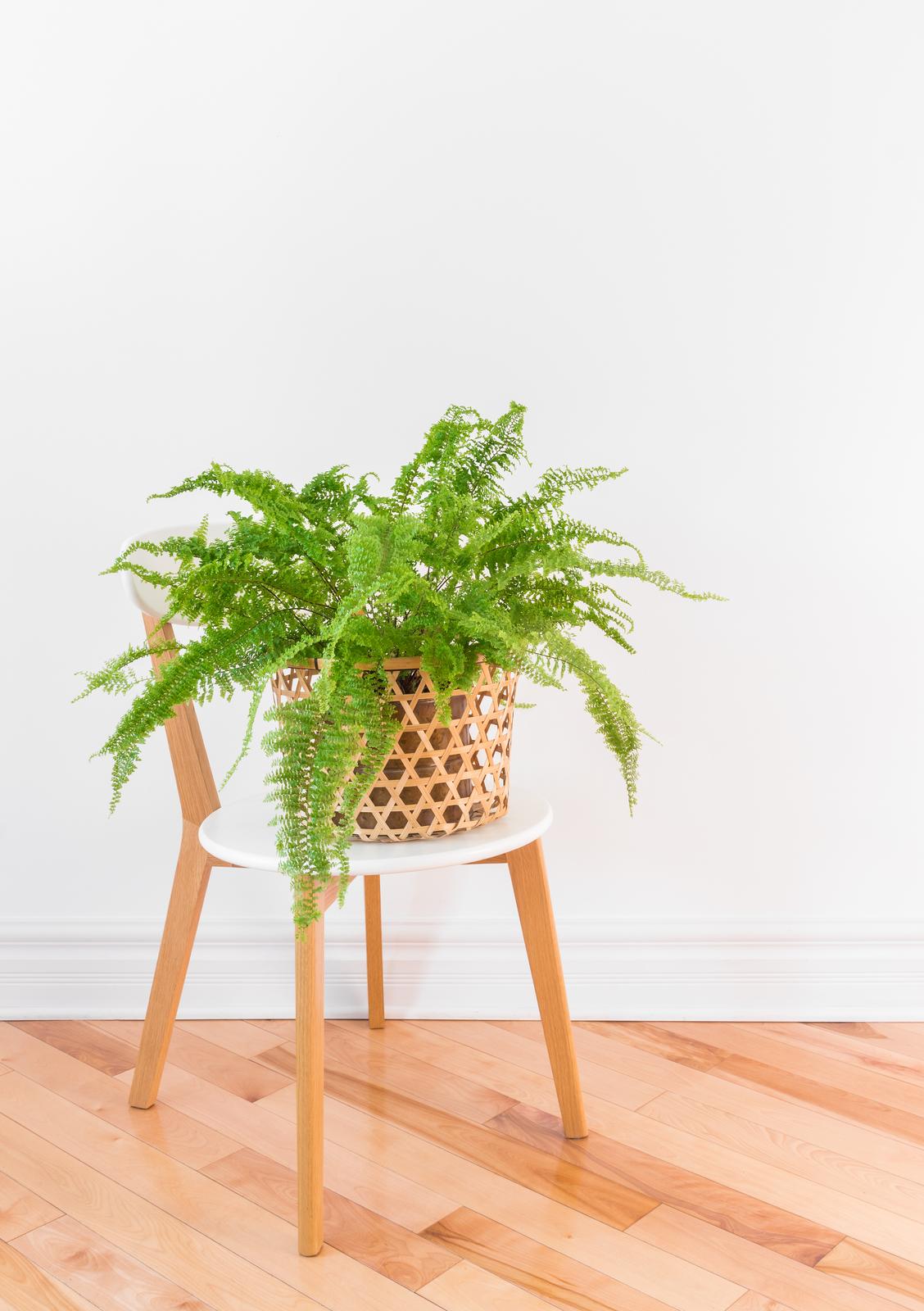
Nephrolepis exaltata, also known as Boston Ferns, are native to North America and grow best in indirect light that is filtered through leaves and branches.
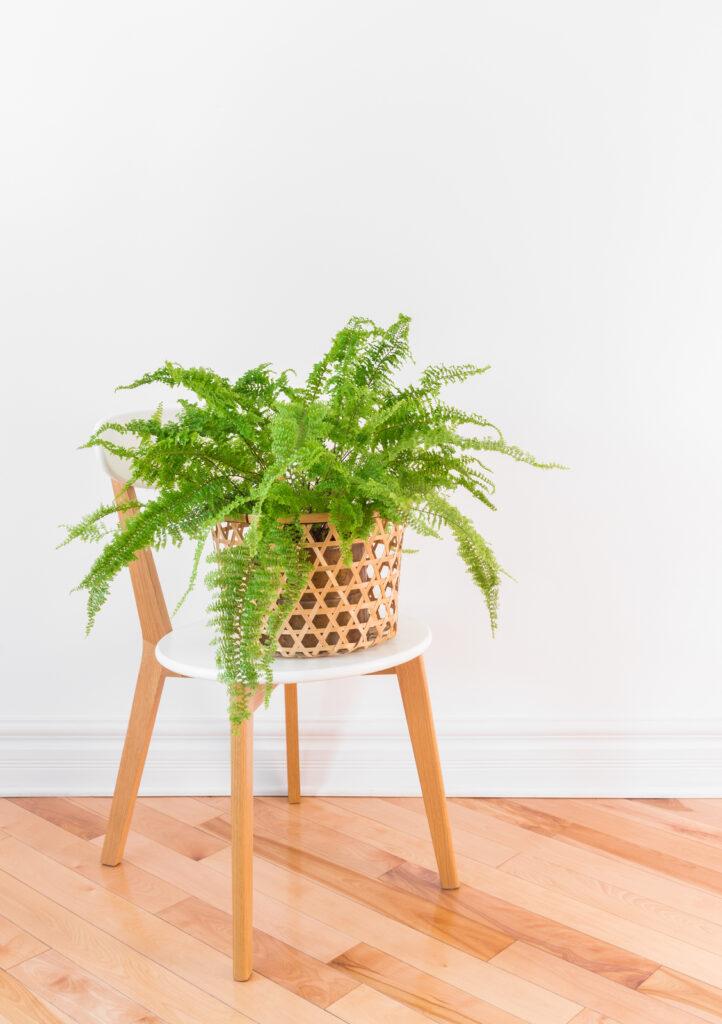
Boston Fern is a beautiful, air purifying and elegant indoor plant with lush green leaves. In the right conditions, it can grow up to six-feet tall, but it needs consistent moisture and just a little bright indirect light. Not everyone has the space to let their plant grow up to its full potential, but that doesn’t mean you can’t work with its natural growing patterns to keep it at a length that suits your space.
These plants do best in areas with moderate temperatures and moist soil. They need to be kept moist, but not wet. Boston ferns like a slightly acidic soil pH of 6.0 to 6.5.
Prayer Plant
Prayer plants are low-maintenance plants with lush dark green leaves. In order to grow prayer plant in low light, give the plant a brightly lit spot with indirect sunlight. Keep the plant away from bright, direct sunlight. If the plant is getting too much light, it may suffer from severe burn or it can even die.
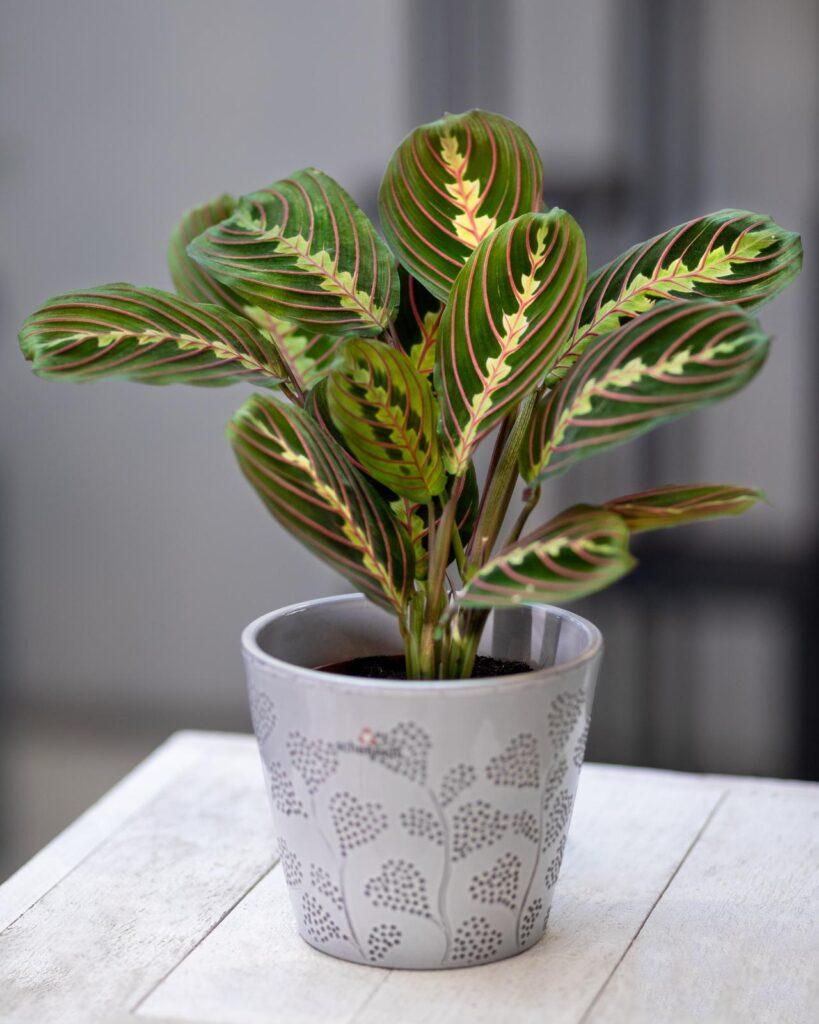
Keep the temperature where the plant is placed at about 65 to 75F. Prayer plants do not need much water, so keep the soil lightly moist, never let the soil become completely dry.
Yucca Cane
Yuccas do not require much light for their glossy leaves. They actually prefer low light conditions or even full shade over any other conditions. So they could be quite happy in a dark corner. You just have to make sure that there is not too much moisture around the plant. Most yucca care recommendations are to have the plant in areas that have low humidity and to water them minimally.
Cast Iron Plant
” Cast Iron plant ” or Aspidistra elatior is a semi-evergreen, heat tolerant houseplant with long narrow leaves that are shaped like a cast-iron frying pan. It is an ideal houseplant for the low light indoor conditions of a bathroom or for a bright indirect sunny porch.
Since it is a tropical native, it appreciates a warm, humid atmosphere, but can tolerate temperatures down to 40 degrees Fahrenheit. The plant is tolerant of both low light and neglect, and is slow-growing, so a small plant in a pot can live for decades.
Moth Orchid
Moth orchids or Phalaenopsis orchids are one of the most popular types of orchids, which are native to Southeast Asia.
The plants are very small in size, which makes them a great choice for growing in your home or office. This orchid needs at least 1-2 hours of indirect sunlight on a daily basis. You can place it inside your kitchen window, or on a table which gets sufficient light.
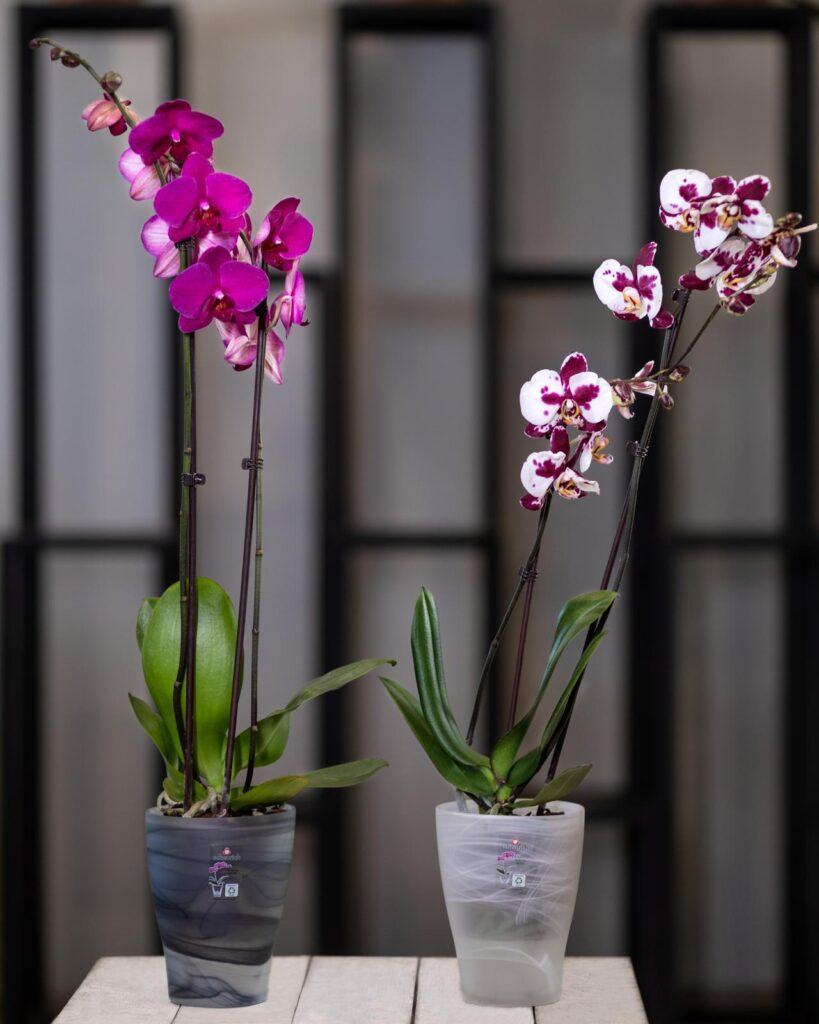
You should avoid direct sunlight, as it can burn the leaves of your plant. It grows best in humid conditions. If your home is not so humid, you can place a tray of pebbles and water under or near the plant. You should place the pot on the pebbles, so that the bottom of the pot is not in contact with the water. The tray should be changed daily.
Moth orchids grow best in temperatures between 65-75 degrees Fahrenheit. They need a well-drained soil and regular watering.
According to The Orchid Advisor, Phalaenopsis orchids grow in low light conditions more easily when they are younger, such as when they are in the propagation stage.
Spider Plant
Spider plants are very hardy and easy to grow and maintain. It is a very good house plant and can grow very well in the low light. In fact, it prefers the lower lit environment.
Step 1: Soak your plant in water for 30 minutes to remove the dust from the leaves. Use a soft cloth to clean the dust from the leaves.
2: After 30 minutes of soaking, drain the excess water from the plant.
3: Leave the plant to drip-dry for a few minutes.
4: While the plant drips dry, cut out the brown leaves.
5: Water the plant with a good quality water. If the leaves are looking a bit pale, then use a good quality plant food. Follow this routine regularly to make sure your plant stays happy and healthy.
Arrowhead Vine
Arrowhead Vine (Syngonium podophyllum) grow as evergreen houseplant with beautiful green leaves. It can also be grown as a perennial in frost-free climates.
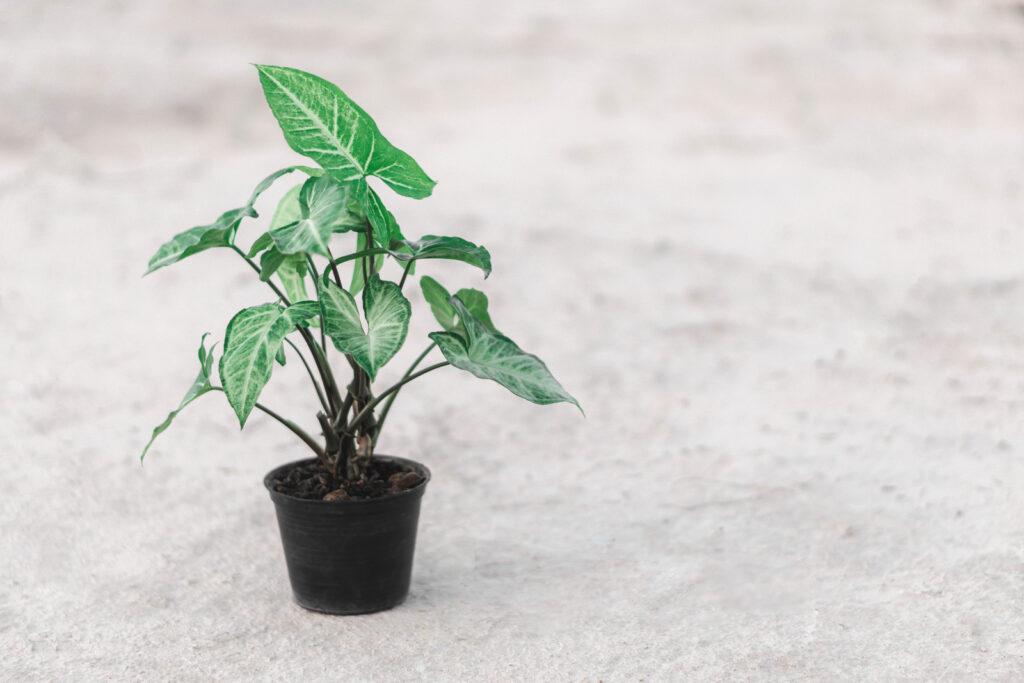
Arrowhead plants are popular as a hanging plant, but it can also be grown on a pedestal or shelf. This shade-loving vine requires bright indirect light and a feeding potting mix that will drain freely with a high peat moss content.
Peace Lily
The air purifying Peace Lily is one of the easiest houseplants to grow. They are easy to maintain and needs low light to survive. The peace lily likes to be in warm room temperature, which most of us can manage to maintain. This makes them pretty much the perfect plant.
Do not expose the peace lily plants to hot or cold drafts though. This plant also needs to be watered regularly, so keep the soil moist but not sogging wet. Wipe off any dead leaves and rinse the soil to remove any dust or debris.