Black house plants are easy to care for indoor plants that are a great choice for those who don’t have a green thumb. So if you’re looking for a plant that can thrive in dark places or help clean the air, then black house plants are perfect for you!
Black plants evoke a sense of mystery and drama. Some different types you might stumble across include Alice in Wonderland, Alocasia, Aphrodite Black Rose and Aries Black Mamba.
What are black house plants?
Plants make our homes feel alive. They also add many benefits to our health – they reduce stress levels, improve air quality and provide us with oxygen. Black house plants are especially great because they don’t require much attention and they will thrive even if you forget to water them once in a while.
What are the benefits of black house plants?
A black house plant is often seen as a symbol of prosperity and wealth. It produces oxygen and cleans the air, so keeps your home healthier. Black house plants also help remove toxins from the air, so they’re a great choice for those who are exposed to chemicals or at risk of developing respiratory problems.
In terms of aesthetics, black house plants can be used as an accent piece in many rooms within the home. They tend to blend well with most types of décor as they don’t contrast as much as other colored flora. There are many types available for purchase, but it may be best to research before purchasing one in order to make sure it will work well with what is already present in the home.
Alocasia black house plants – the Elephant Ear plant
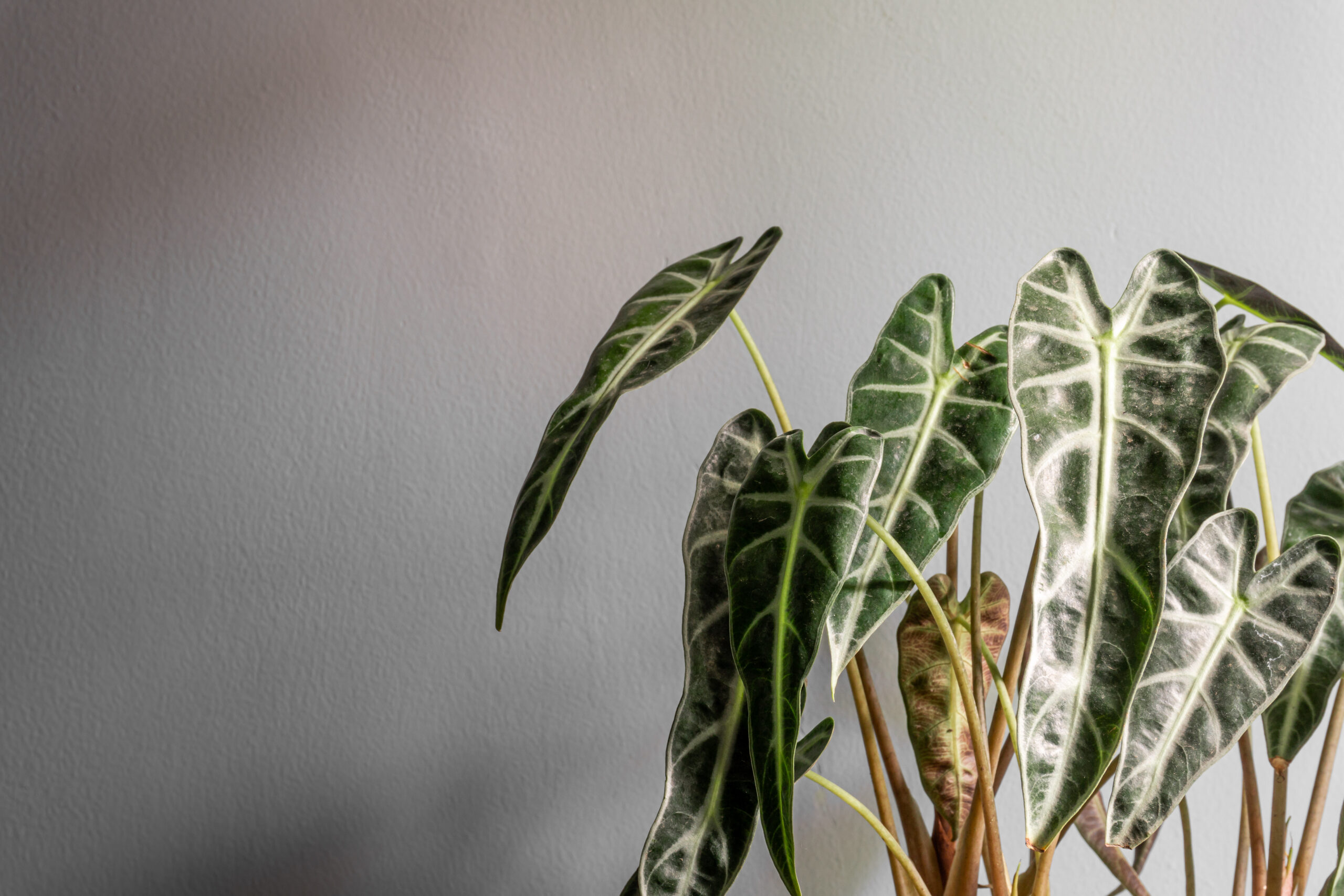
Alocasia is a tropical plant originating in Africa and Asia. It has beautiful dark, large, glossy, heart-shaped leaves that grow up to 3 feet in diameter. The plant grows up to two meters tall.
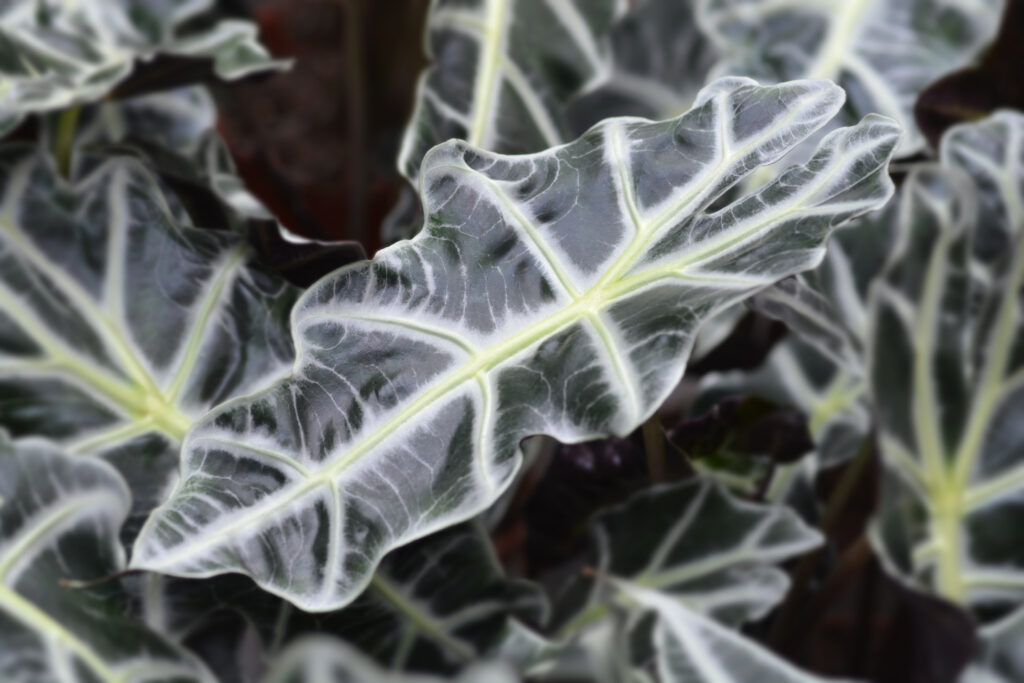
Alocasia plants are tough plants and tolerate low light conditions. They don’t need much water and thrive in all types of soil. If the Alocasia plant isn’t cared for properly though, it may become diseased or die. So make sure you water yours on a regular basis, but only when the top of the soil feels dry to the touch.
What type of environment do black house plants need to thrive?
The black house plant thrives and grows the best in a medium to low light environment. It also grows in shady areas and has a medium watering requirement.
Water: The black houseplant likes lots of watering at the pot’s soil surface. Use room temperature water and gradually add the water until it reaches 1-2 inches below the soil surface.
Fertilizer: The black houseplant does not need much fertilizer, just once every 2-3 months should do. You can use a mild fertilizer formula that’s perfect for acid loving plants. For this particular plant, you should fertilize during the warm months, but not during winter time.
Lighting: The black houseplant needs to be in bright light but no direct sunlight. It will grow best in an east or west facing window or under artificial light sources like fluorescent tubes or LED lights.
How do I grow a black house plant?
How to grow black house plants:
- Find the best pot for the plant. You can use any type of pot but it should be at least 12 inches in diameter and 18 inches tall. Make sure that the container has drainage holes to avoid over-watering.
- Next, add a mix of soil and peat moss – approximately 40% peat moss and 60% soil. Mix together by hand or with a trowel thoroughly before adding to the pot. The peat helps retain moisture and provides nutrients while the soil offers structure and contains minerals for growth.
- After you have prepared the soil, make a hole in it 12 inches from the center of your container’s top rim for planting your black houseplant tree. Dig the hole about 6 inches deep
Black houseplants prefer temperatures between 45° F and 85° F