
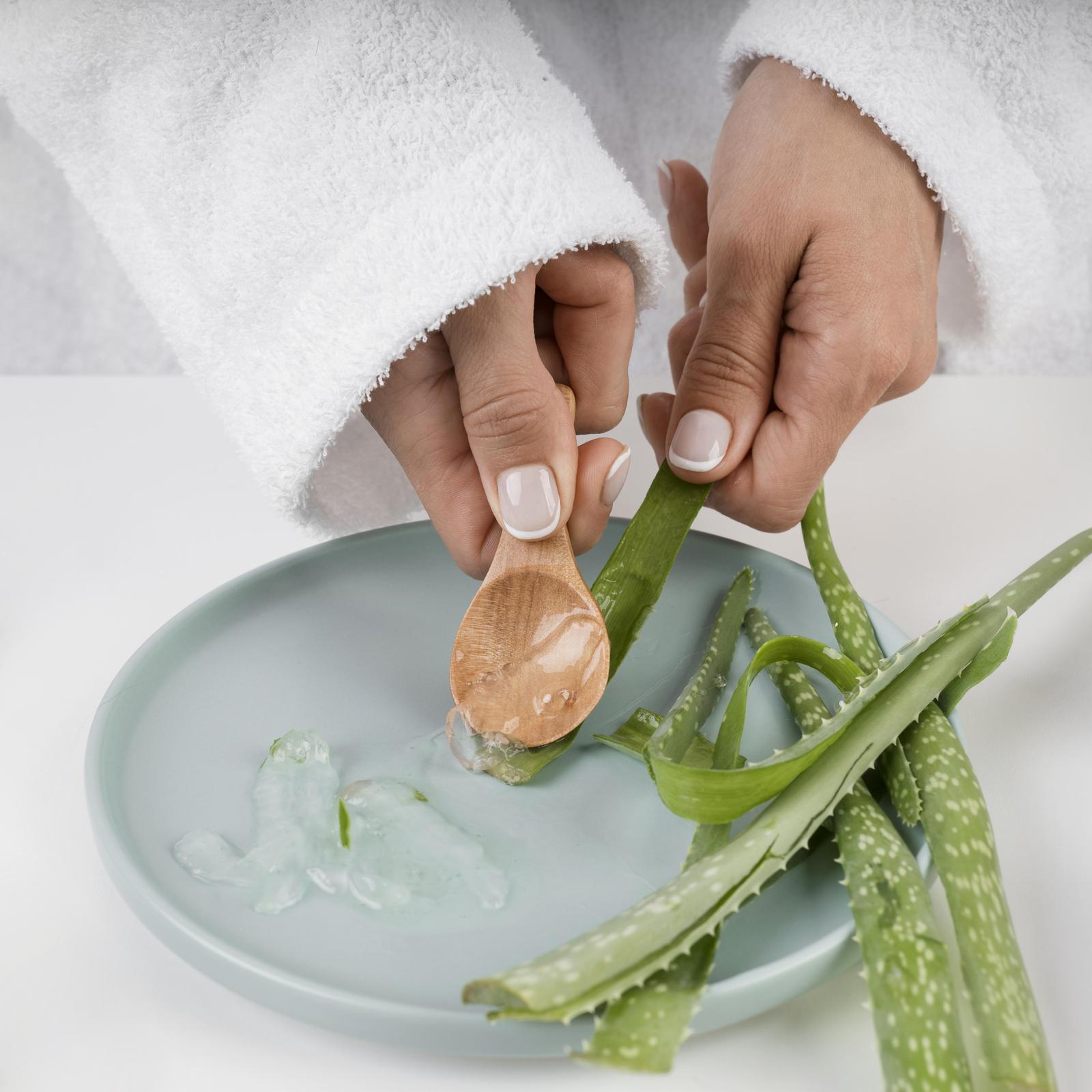
It’s one of the most common succulents, so today we’re sharing all about Aloe vera and its health benefits.
It’s been used as a health aid for thousands of years. From helping ancient Egyptian priests heal burns to the Aztecs using aloe for ulcers. It’s also been used for over 2000 years in the Chinese medicine and in traditional medicine too. As such, it’s sometimes known as the plant of immortality.
We definitely can’t guarantee you an immortal life with aloe vera! But in this article we’ll walk you through aloe vera and its health benefits across a variety of ailments and problems.


What are the benefits of aloe vera?
The first thing that you need to know is that aloe vera leaf contains a substance known as aloin, and that this is toxic to the human digestive tract. The second thing that you need to know is that we find aloin in the inner white pulp of the aloe leaf. It’s this white pulp that’s the only portion of the leaf that is actually effective in the treatment of diseases or other conditions affecting the body. Always consult your doctor before adding anything to your regime, but here are some of the health benefifs of aloe vera plants…Aloe Vera Can Help Relieve Painful Muscles and Joints
One main benefit of Aloe vera is its effectiveness at relieving pain in muscles and joints. It can help reduce inflammation and improve joint function.Aloe Vera Can Help Improve Digestion
Aloe vera can help in improving digestion o its because of its laxative properties. It helps to soften stools and promote regularity.Can Help Reduce Inflammation:
It’s a natural anti-inflammatory agent, helping to reduce swelling and pain associated with inflammation.Aloe Vera Can Help Improve Skin Conditions
Aloe vera is beneficial for improving skin conditions such as dry skin, eczema and psoriasis. It helps to improve the texture and tone of skin, while reducing inflammation and itching.
Aloe Vera May Stimulate Collagen Production and Fight Skin Aging
The collagen contained in aloe vera is known to repair and stimulate the synthesis of collagen in the human body. As we age, the body’s natural production of collagen slows down. This results in fine lines, wrinkles, and sagging skin. Based on research, aloe vera is effective in improving skin elasticity, fighting inflammation, and encouraging cell regeneration. On the skin, aloe vera gel works on a cellular level, according to Dr. Jeanine B. Downie, a Miami-based cosmetic surgeon and secretary-treasurer of the American Society for Dermatologic Surgery. “The [firmness] you feel on your skin after an aloe vera gel treatment is due to improved collagen production,” she says. Aloe vera gel may also have anti-inflammatory properties that help fight skin-aging.
Aloe Vera May Help Stabilize Blood Sugar
It may also help stabilize blood sugar levels. In clinical trials, twenty-six people with diabetes (type 2) took aloe vera gel. The aloe caused a significant drop in blood sugar level and an improvement in insulin sensitivity. Those who took the aloe also experienced an improvement in their cholesterol levels. However, although taking aloe vera orally will lower your blood sugar, aloe vera gel that you put on your skin has no effect on blood sugar level. It has a high content of amino acids, polysaccharides, minerals, vitamins, and enzymes a variety, providing physiological effects, including antioxidant, anti-inflammatory, antibacterial, antifungal, and antiviral properties. These properties, as well as the effects on blood sugar control, blood pressure, liver disease, and stomach ulcers, have been the subject of in vitro and clinical studies.Aloe Vera May Help Get Rid of Acne Naturally
The skin is the largest organ in the body and it’s responsible for protecting us from infections, bacteria, and other invaders. Acne happens when these invaders get into our pores through pores that are clogged or infected by dead skin cells or oil. There are two main forms of acne : vulgaris and acne rosacea. The most common is acne vulgaris is the most common, affecting 40-50% of teenagers at some point in their lives. It’s caused by overproduction of sebum or oil in the skin. This oily secretion clogs pores, which allows bacteria to grow inside the pore and cause an infection. Acne rosacea is more severe than acne vulgaris, with symptoms that include redness and swelling around the nose, cheeks, chin or forehead area. Aloe Vera may help get rid of acne naturally. This plant has been used for centuries as a topical treatment for rashes, burns, cuts, scrapes and other external skin conditions. It’s also used to promote healthy digestion and reduce inflammation in the body.
The Aloe Vera Plant Is A Superfood
The juice from the plant is often also used as an excellent source of vitamins and minerals. It’s a powerful natural anti-inflammatory, making it ideal for treating many different types of skin conditions including burns and sunburns. It’s rich in Vitamin C so helps heal wounds.It may help lower cholestrol
According to Dr. David Williams at Harvard University School of Public Health , supplementing with aloe vera may lower cholesterol levels caused by inflammation in the body by increasing HDL (good) cholesterol while decreasing LDL (bad) cholesterol .What are the side effects of aloe vera?
There are a few adverse effects we associate with aloe vera and aloe vera extract, but they typically depend on the individual’s sensitivity to the plant’s compounds. Some people may experience mild skin irritation or a headache after using aloe vera products.Warning
Aloe vera products aren’t intended to treat medical conditions. They’re classed as alternative medicine, and so there’s no regulation by any medical board or authority. Because of this, not all products are tested for quality and safety. Stick with well-known brands that have an established market presence. Choosing products that have been certified by the USP or other certifying bodies is a good shout. As is buying aloe vera gels that have been certified organic. And don’t use aloe vera preparations for medical purposes without speaking with your doctor first. Some people may experience burning, itching, or eczema when using aloe products topically. Aloe latex can cause abdominal pains and cramps. If you’re taking aloe extracts orally you could develop liver problems. More research is needed to determine if aloe is safe for humans. And if you’re pregnant then avoid taking aloe vera internally and always consult a doctor.What are the benefits of drinking aloe vera juice?
Aloe vera juice is a popular drink for many reasons. It is refreshing, contains antioxidants, and has numerous health benefits. Drinking aloe vera juice can help improve digestion, reduce inflammation, and even treat skin conditions such as psoriasis and eczema.Topical application of Aloe Vera gel
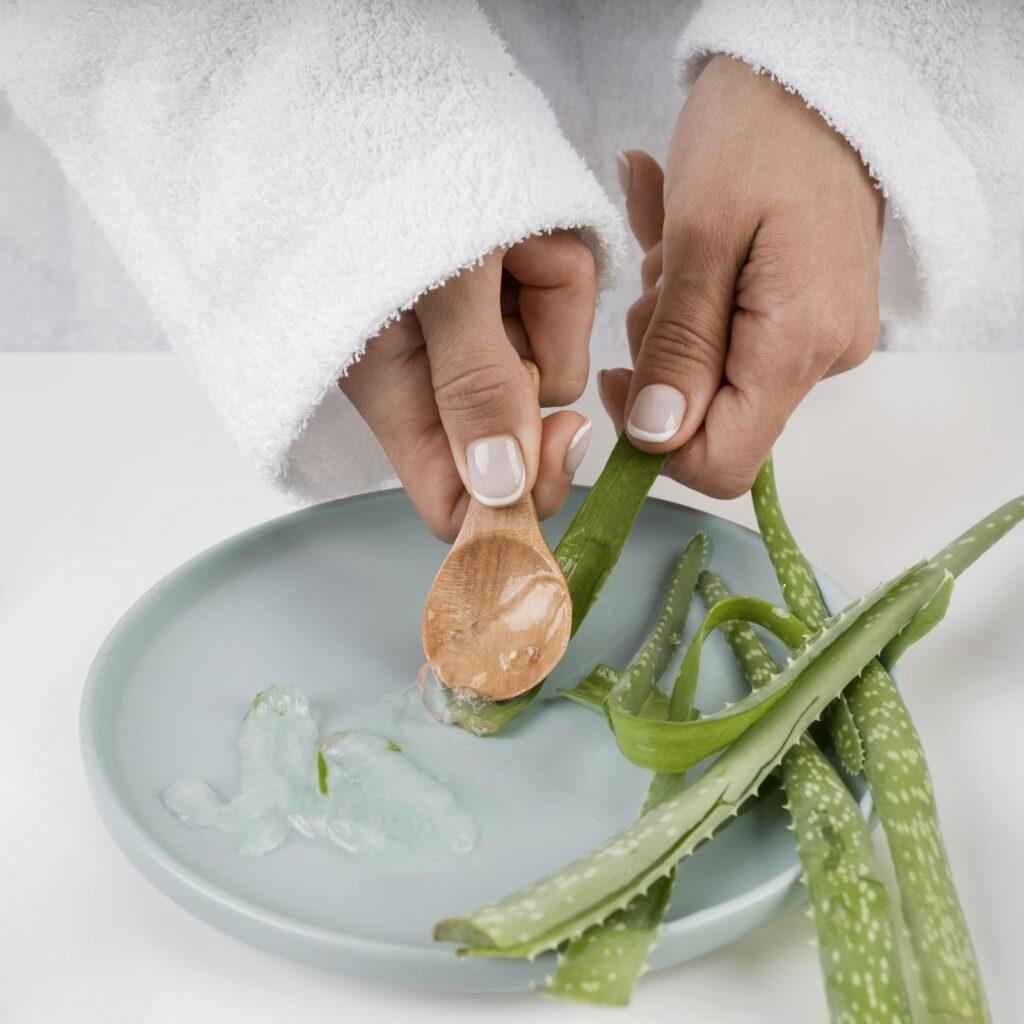
The aloe vera plant is easy to grow and doesn’t require much maintenance. The sap from the plant can be used for several health and beauty applications, and the aloe latex can be extracted and—after a few processing steps—becomes aloe gel. Aloe vera gel is used in many cosmetics, such as lip balms and face masks, and is also used in natural medicines, such as balms and lotions.Conclusion:
- Aloe Vera is a succulent plant that can be found all over the world. It is known for its medicinal properties and has been used for centuries to treat a variety of health problems.
- It’s used as a natural remedy for skin problems, such as burns, cuts, sunburns, skin irritations, psoriasis, eczema and acne. In addition to its medicinal properties, aloe vera is also used in cosmetics and food products.
- It is also a great plant that is filled with vitamins and minerals that are good for your body. It can heal acne, burns, rashes and even help with your digestive tract.
- Aloe vera is a great remedy for a variety of health problems. It has many benefits and few side effects.